
About Annie Glover

This author has not yet filled in any details.
So far Annie Glover has created 18 blog entries.

Farmacist sugarcane trial

Burdekin, QLD Independently Conducted by Farmacist** Aim: Determine the effect of Great Land treatment on root development in plant sugarcane. Design: Randomised Complete Block (RCB) design, pot experiment: Three treatments x four replicates. Treatments: T1: Control. T2: Great Land @ 25* L/ha (0.5 mL/ pot), applied at planting with a metered syringe then irrigated. T3: Great Land @ 50* L/ha (1 mL/pot), same application method as T2. Setts for T2 and T3 were dipped in undiluted Great Land prior to planting. All treatments: homogenized soil; cane variety (KQ228); same planting depth; no insecticides; same fertiliser regime - dissolved solutions of MAP, SOP and Easy N; and, same watering intervals with automated irrigation using 4 L/hour drippers. Assessments: Measurements of root mass, stalk height and tiller counts were taken for three setts collected from each treatment at seven week intervals from planting, up to 21 weeks. [...]

By |2026-08-18T15:58:03+10:0018 August 2026|Great Land Plus, Trial|Comments Off on Farmacist sugarcane trial

Weedensol trial data on forestry

Eucalyptus Trial, Hamilton, Victoria Independently Conducted by Weedensol* Aim: To evaluate the growth response of Great Land in blue gum (Eucalyptus globulus) plantations. Design: Randomised replicated trial with 4 replicates per treatment. Each replicate contained 10 trees planted in a 50m2 plot. One tree strip was planted between treatments as a buffer. Treatments: Six separate Great Land treatment programs were performed. Treatment events are described here and specific application rates** are tabled with the assessment results below. ‘Seedling Drench’: Seedling trays drenched in Great Land (diluted at 1 in 10) 48 hrs prior to planting. ‘At Planting’: Great Land sprayed on soil, 1 metre either side of the tree line, prior to planting on the same day. Seedlings planted 14 July 2015. ‘2 Month Post’: Great Land sprayed on soil, 1 metre either side of the tree line two months after planting. Assessments: Tree volume [...]

By |2026-08-18T15:37:51+10:0018 August 2026|Great Land Plus, Trial|Comments Off on Weedensol trial data on forestry

Ag Logic replicated trial data on maize

Independent Field Research Data Maize Grain – Replicated Trial, Shepparton, VIC Independently Conducted by Ag Logic# (July 2016) Aim: Determine the effect of Great Land on maize grain yields and plant growth parameters. Design: Randomised field trial, five (5) replicates of equal area for each treatment. Treatment areas 1.0 ha each. Same soil type, flat topography, agronomic practices across all treatments. Fertiliser over season: 354 kg N/ha; 60 kg P/ha; and, 5 kg S/ha. Treatments: Treatment: Great Land® @ 20* L/ha undiluted at sowing (Nov-15) injected directly with seed, same depth. Fertiliser program same as control except no starter applied to treated replicates. Control: No Great Land® applied. Standard fertiliser program, including starter (30L/ha). Assessments: Grain yield - harvested (Apr-16) by the grower using a GPS based yield monitor logging at a rate of once per second (every 2 metres). Monitor related variability at [...]

By |2026-08-18T15:12:56+10:0018 August 2026|Great Land Plus, Trial|Comments Off on Ag Logic replicated trial data on maize

Ag Logic research data on lucerne

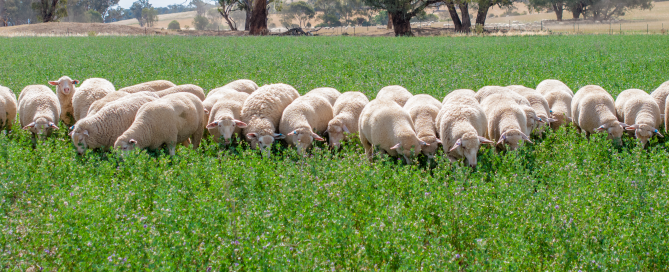
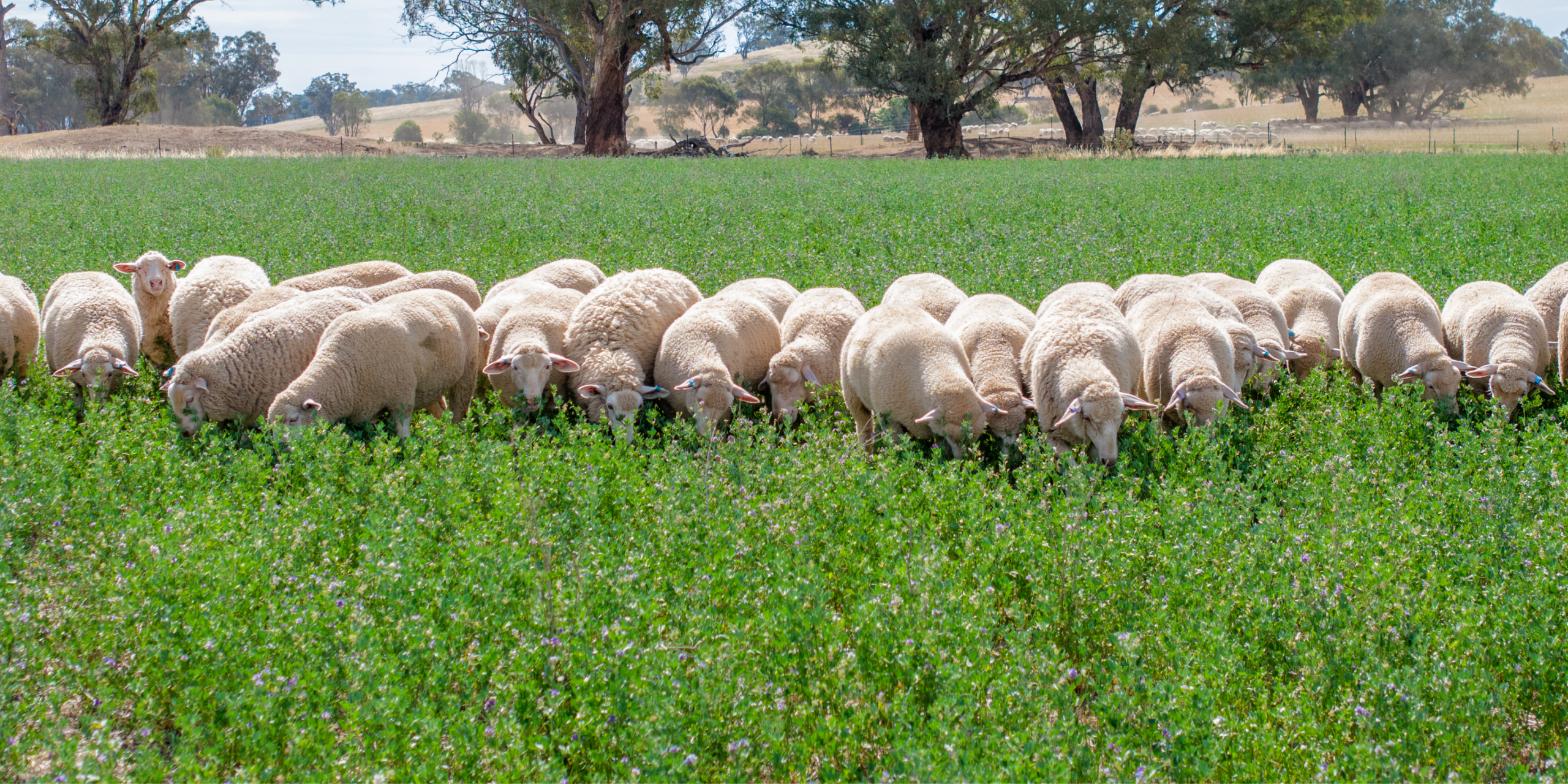
Seedling Vigour / establishment: Replicated Trial Independently Conducted by Ag Logic (July 2016) Aim: Determine the effect of Great Land on lucerne seedling growth and vigour. Design: Randomised pot trial, 10 replicate (pots) for each treatment. Each pot contained 4 lucerne plants. Same potting mix and fertiliser regimes across treatments.Treatments: Control: No Great Land® applied Treatment: Great Land® applied at 4 leaf stage (during establishment), 20 L/ha* diluted 1 in 10. Assessments: Harvested plants at 50 days after sowing. Measurement of root weights and plant weights. Assessment and analysis conducted on 10 plants for each replicate, after thinning to achieve uniformity between treatments. Results: Statistically significant results were reported for Great Land® treated lucerne. Above ground portions weighed on average 1.47 g, 27% more than the control at 1.16 g/plant. Root weights averaged 0.75 g/plant, 44% better than control plant at 0.52 g/plant. Total plant weight (above ground [...]

By |2026-08-14T15:47:41+10:0014 August 2026|Great Land Plus, Trial|Comments Off on Ag Logic research data on lucerne

Bundaberg Avocado replicated strip trial

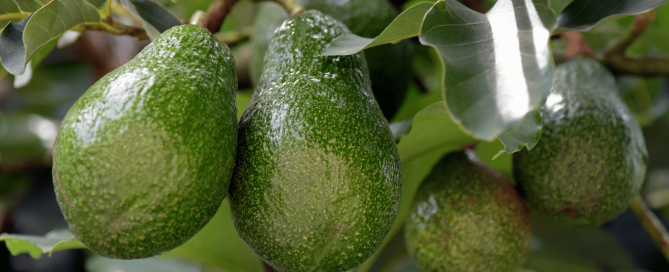
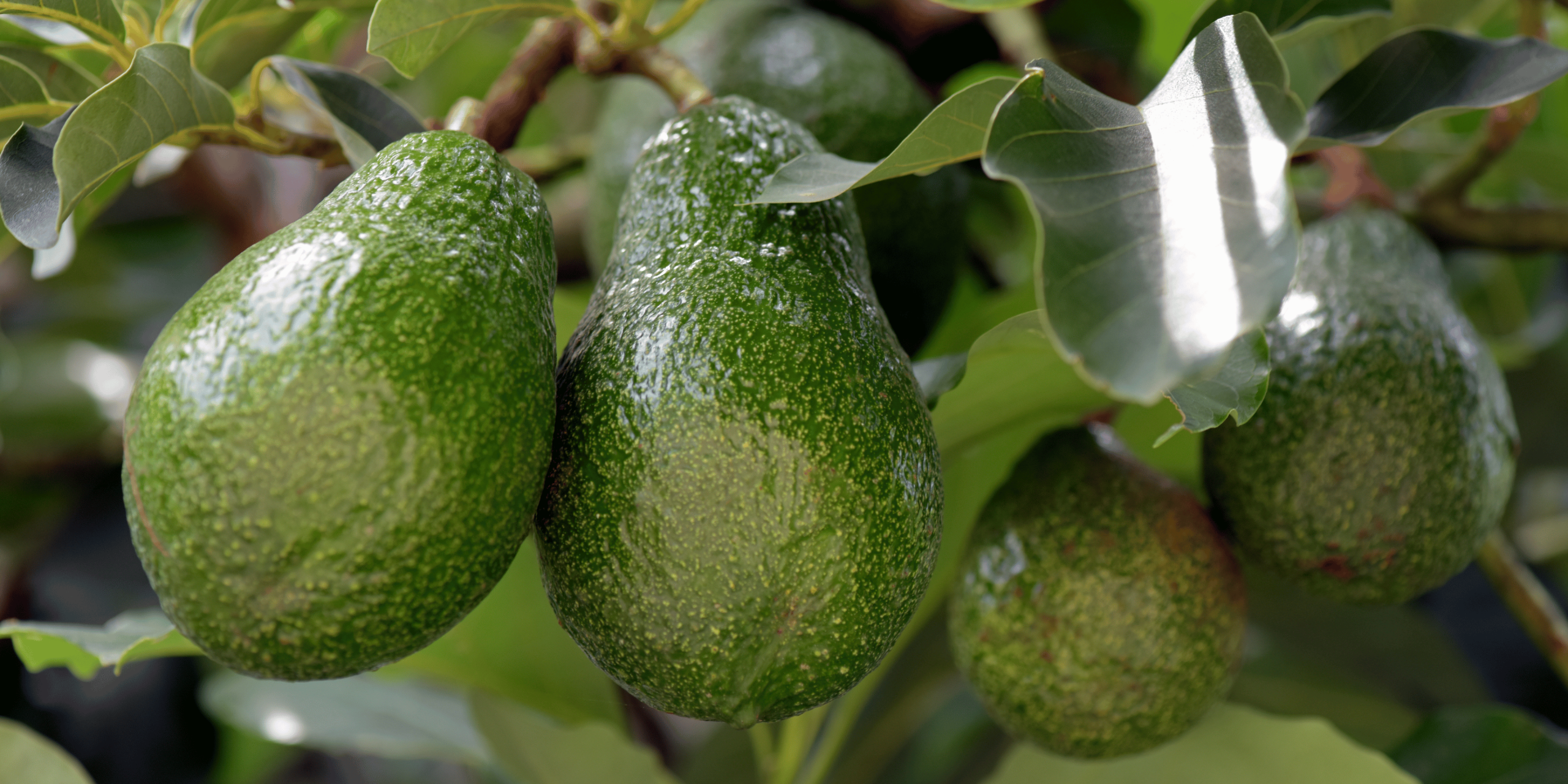
Great Land Plus® Replicated strip trial – three seasons. Independently overseen and reviewed - August 2019 Overview Aim: To determine the effect of Great Land treatment on harvest yield and grading of avocados. Farm System: Conventional, Hass variety, planted in 2013. Planting 8m x 6m rows, 208 trees per hectare. Red loamy soils. Sprinkler irrigation and fertigation system. High input nutrient program. Fertilisers include gypsum (spread), soft rock phosphate, humate and trace minerals. Trial design & Scope: Strip field trial – replicated in final two years. Trial paddock area & Scope: 2.9 hectares, approximately 600 trees. Seven rows (replicates) for each of treated and control experimental groups. Every alternate row was treated with Great Land, remaining rows were untreated controls. One outside row from each side of the block was excluded from data to remove edge effects. Treatments: Great Land applications through the sprinkler fertigation system commenced [...]

By |2026-08-14T13:42:43+10:0014 August 2026|Great Land Plus, Trial|Comments Off on Bundaberg Avocado replicated strip trial

Tomato Trials, Cedenco, Victoria

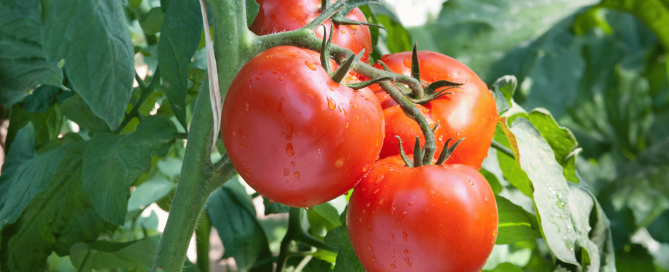
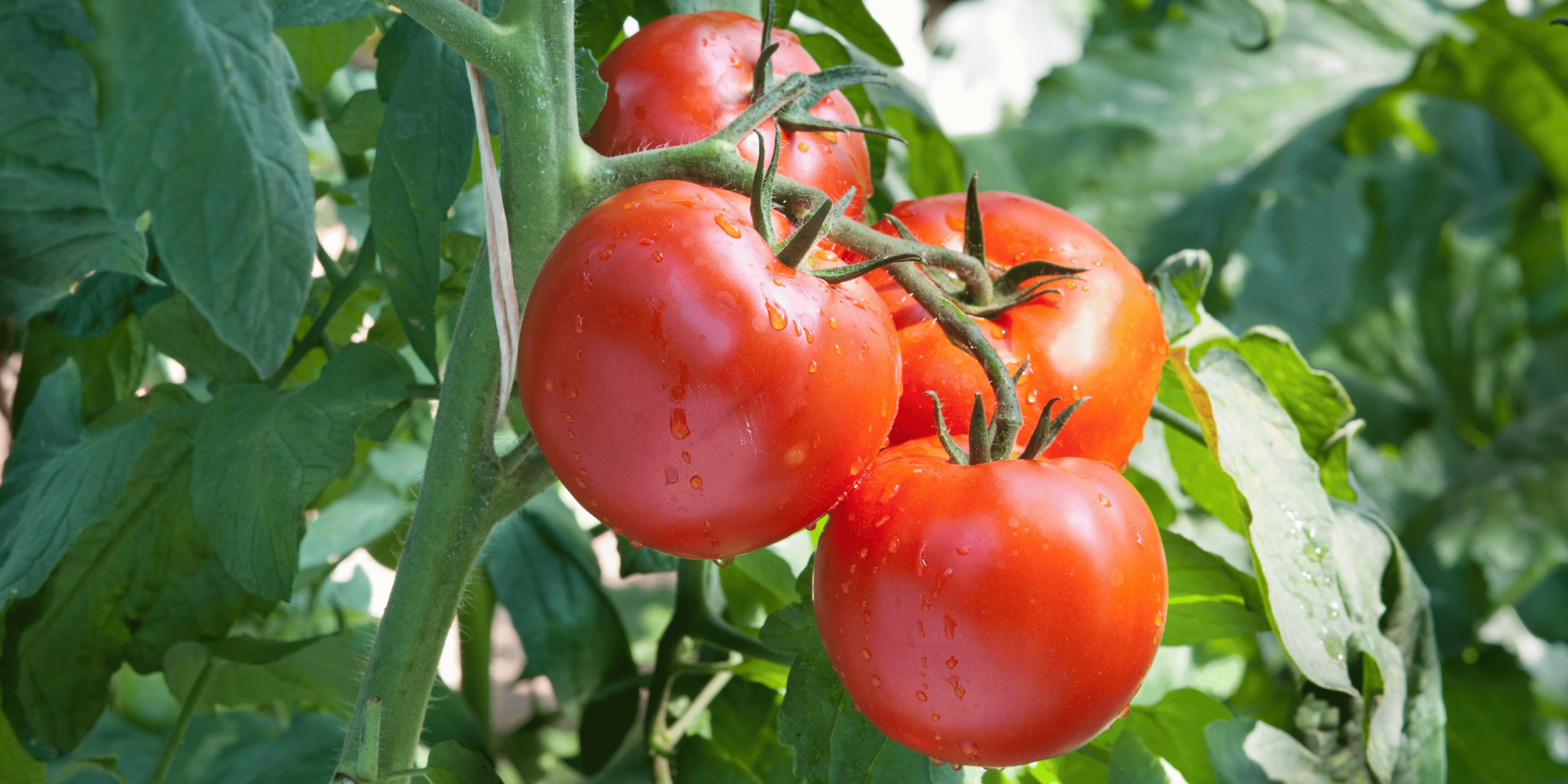
A sustainable solution for higher yields and improved profitability - Great Land Plus® Tomato Trials Overview Aim: Evaluation of the impact of Great Land (GL) on tomato plant growth and product. Design: A multi trial program was conducted over 2011 and 2012 using variable soil types that included replicated pot trials and larger scale field trials. This report is a brief overview of notable portions of the trials. Treatments: Pot trials with seedling drench treatments aimed to observe early plant and root growth responses from Great Land and NPK fertiliser treatments to seedlings grown in a glasshouse. Field trials with surface sprayed treatments of Great Land at two different rates around flowering. Assessments: Visual assessment from early stages pot seedling trial. Tomato yields from field sections. Trial Results Seedling Trials: Early stage plant and root growth showed consistently better establishment in Great Land treated pots, [...]

By |2026-08-14T13:41:54+10:0014 August 2026|Great Land Plus, Trial|Comments Off on Tomato Trials, Cedenco, Victoria

Tomato Emergence and Establishment Trial, Cedenco, Victoria

A sustainable solution for higher yields and improved profitability - Great Land Plus® Tomato Emergence and Establishment Trial, September 2012 Overview Aim: Visual assessment of the impact of Great Land (GL) on tomato seed emergence and establishment. Design: 10 seeds (replicates) were planted in each of 5 trays (treatments). Germination and establishment in an open temperature greenhouse in Lara, Victoria. Total duration of trial 38 days. Treatments: Five treatments: ‘Control’ (UTC): No treatment ‘GL Only’: GL @ 40L/ha applied in furrow at planting ‘GL + Confidor’: GL @ 40L/ha in furrow + Confidor @ 700mL/ha ‘FF’: Flowphos NPK fertiliser @ 40L/ha applied in fertigation. (No GL applied) ‘GL + FF’: GL @ 40L/ha in furrow + Flowphos @ 30L/ha applied in fertigation. Assessments: Visual assessments: speed of emergence and crop establishment - early growth of plants and roots. Conditions: Spring conditions prevailed for most of the trial. [...]

By |2026-08-14T13:40:42+10:0014 August 2026|Great Land Plus, Trial|Comments Off on Tomato Emergence and Establishment Trial, Cedenco, Victoria

MYLO® improves ADG in steers at commercial feedlot in NSW

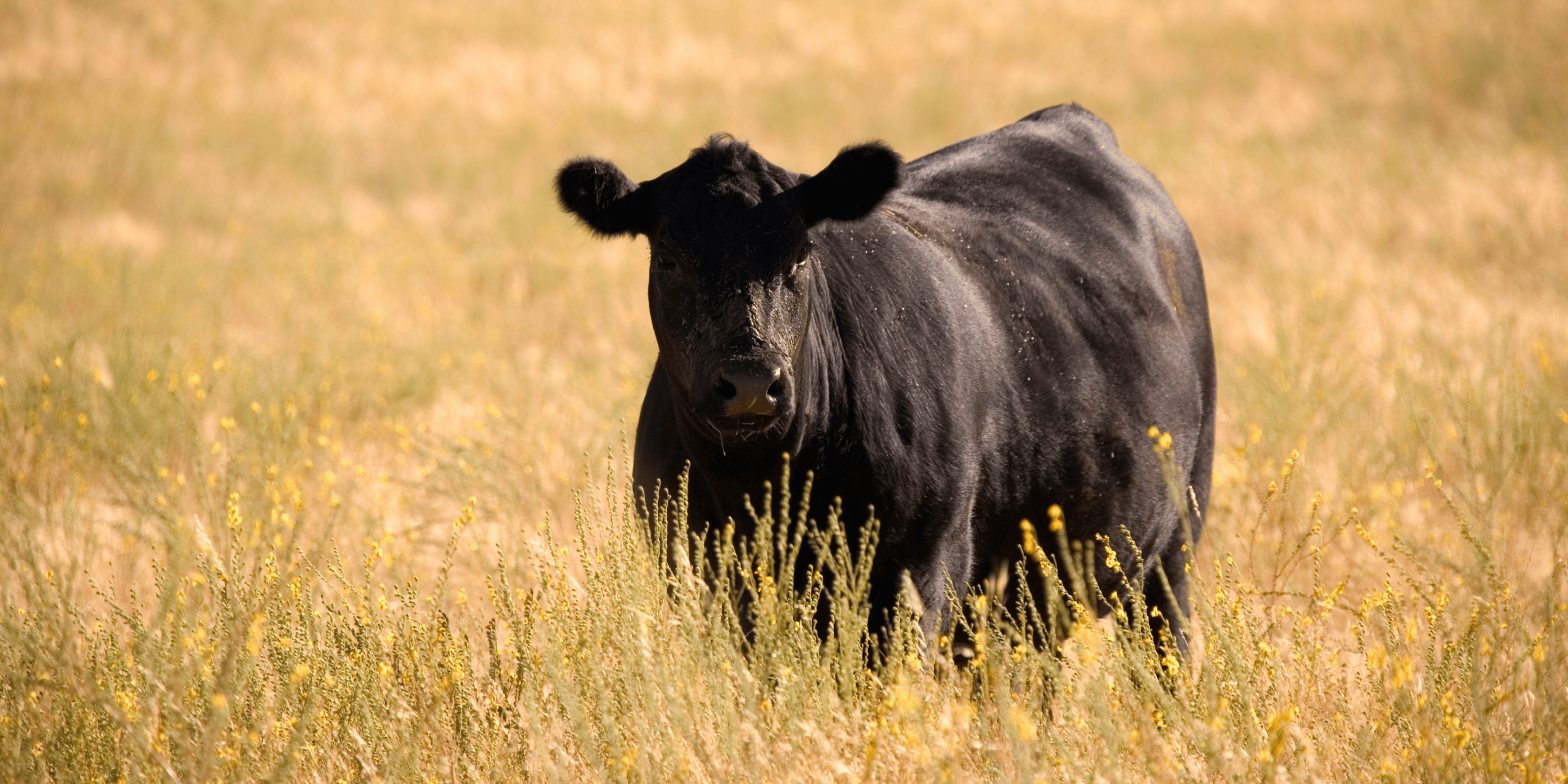
The aim of this trial was to determine the effect of a commercially available DFM containing three strains of Lactobacillus bacteria (MYLO®, Terragen Biotech, Australia) on the liveweight gain, ADG and FCR of steers in a feedlot. Lot feeding plays an essential role in maintaining and growing the domestic and international consumer market for quality beef year-round. Challenges in lot feeding include maximising animal health and productivity results amidst pressures to reduce antibiotic and chemical usage and minimise environmental impact. Direct fed microbials (DFMs) have emerged as a potential solution offering enhanced performance and improved health outcomes, without the risk of residues. The objective of this study is to investigate the impact of a DFM (MYLO®) on liveweight gain, average daily gain (ADG), feed conversion ratio (FCR) and health outcomes in feedlot cattle. ADG and FCR are key metrics representing the amount of daily weight gain and the amount [...]

By |2026-08-14T13:40:21+10:0014 August 2026|Mylo, Trial|Comments Off on MYLO® improves ADG in steers at commercial feedlot in NSW

Terragen Probiotic for Ruminants Performance Case Study, WA Beef Producer Feedlot

A leading WA beef producer conducted a client-led trial comparing standard feedlot performance with and without Terragen Biotech’s Probiotic for Ruminants.Aim: Measure real-world impact on growth, health, and efficiency. Trial Results OADG improvement: 2.368 vs 2.017 kg/day (+17.4%) (351g) Sick treatments reduced: 5 vs 13 Earlier drafting: 26 days vs 28–33 days Higher max weight: 558 kg vs 522 kg

By |2026-08-14T13:59:57+10:0014 August 2026|Home Page, Probiotic For Ruminants, Trial|Comments Off on Terragen Probiotic for Ruminants Performance Case Study, WA Beef Producer Feedlot

+10.1% increase in milk yield postpartum, improved metabolic profile & changes to faecal microbiome, Harrisville QLD

Effect of Gestational Direct-Fed Microbials Supplementation on the Metabolic Profile in Periparturient Dairy Cows Orlando Ramirez-Garzon1, David Barber3, Loreto Meneses4, Martin Soust1, 5, 6 Simple Summary: This study at a commercial dairy farm in Queensland, Australia, evaluated the effects of a lactic acid bacteria-based direct-fed microbial (DFM) on periparturient dairy cows. A total of 150 Holstein cows were divided into control and DFM groups, with the latter receiving a basal diet supplemented with three strains of bacteria from the genus formerly known as Lactobacillus but recently assigned to the new Lentilactobacillus and Lacticaseibacillus genera. Blood samples were collected to assess metabolic profiles, revealing higher serum glucose, NEFA, and chloride levels in the DFM cows. The DFM cows showed higher pre- and post-calving glucose levels and greater body weight. While milk production was slightly higher in DFM cows, the milk protein percentage was higher in the control cows. Overall, DFM [...]

By |2026-08-14T13:38:07+10:0014 August 2026|Mylo, Trial|Comments Off on +10.1% increase in milk yield postpartum, improved metabolic profile & changes to faecal microbiome, Harrisville QLD
Go to Top