As Australian growers look to improve nutrient efficiency, crop performance, and soil biology under increasingly variable conditions, biostimulants continue to play a growing role in modern farming systems.
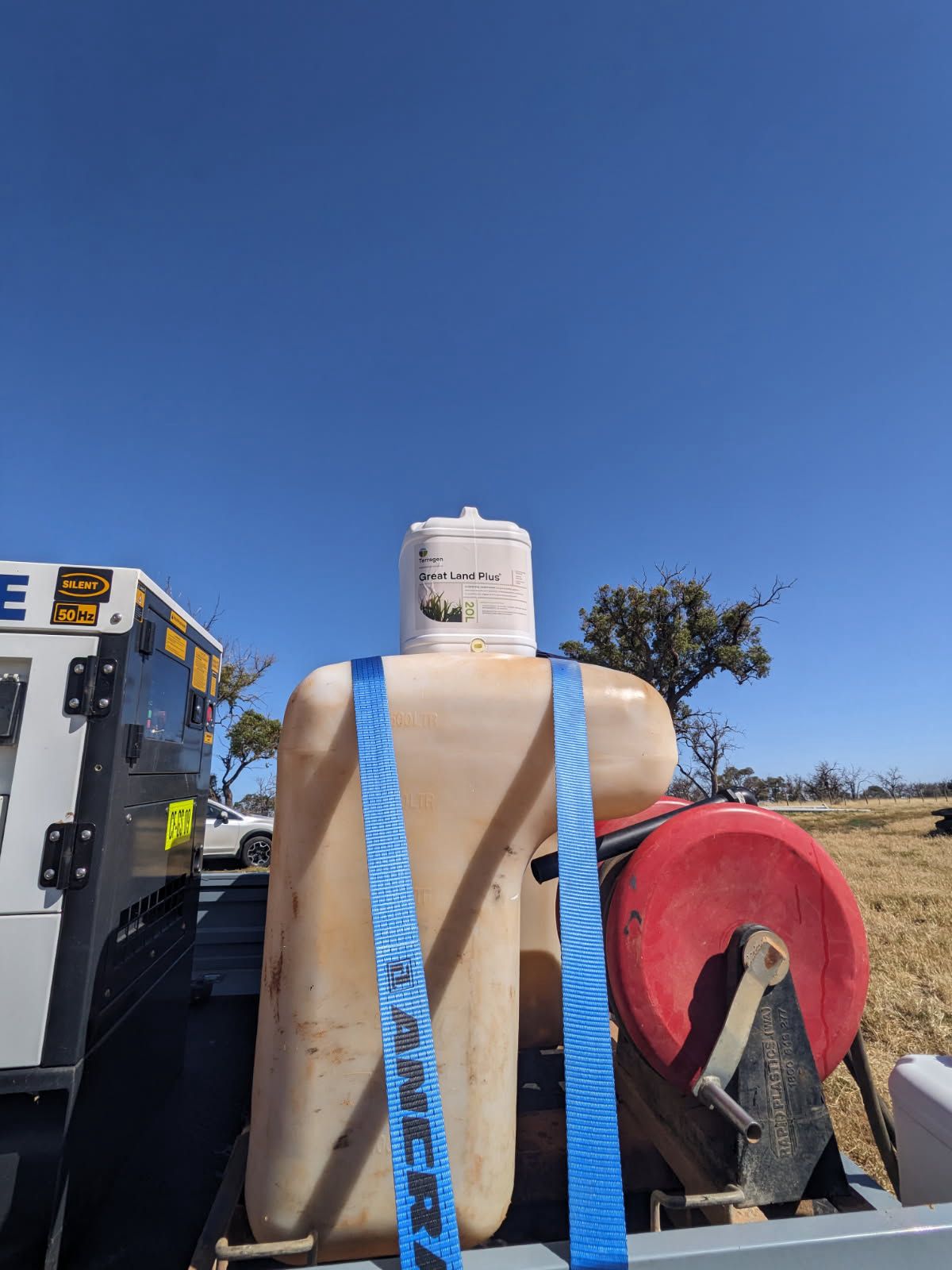
Terragen’s Great Land Plus® (GLP) has been independently evaluated and commercially demonstrated across a range of crops and regions, providing growers with practical insights into how microbial biostimulants perform under real-world conditions.
The Great Land Plus® Research Update 2026 brings together the latest findings from independent compatibility testing and large-scale commercial trials conducted across Australia.
Independent Compatibility: What Growers Need to Know
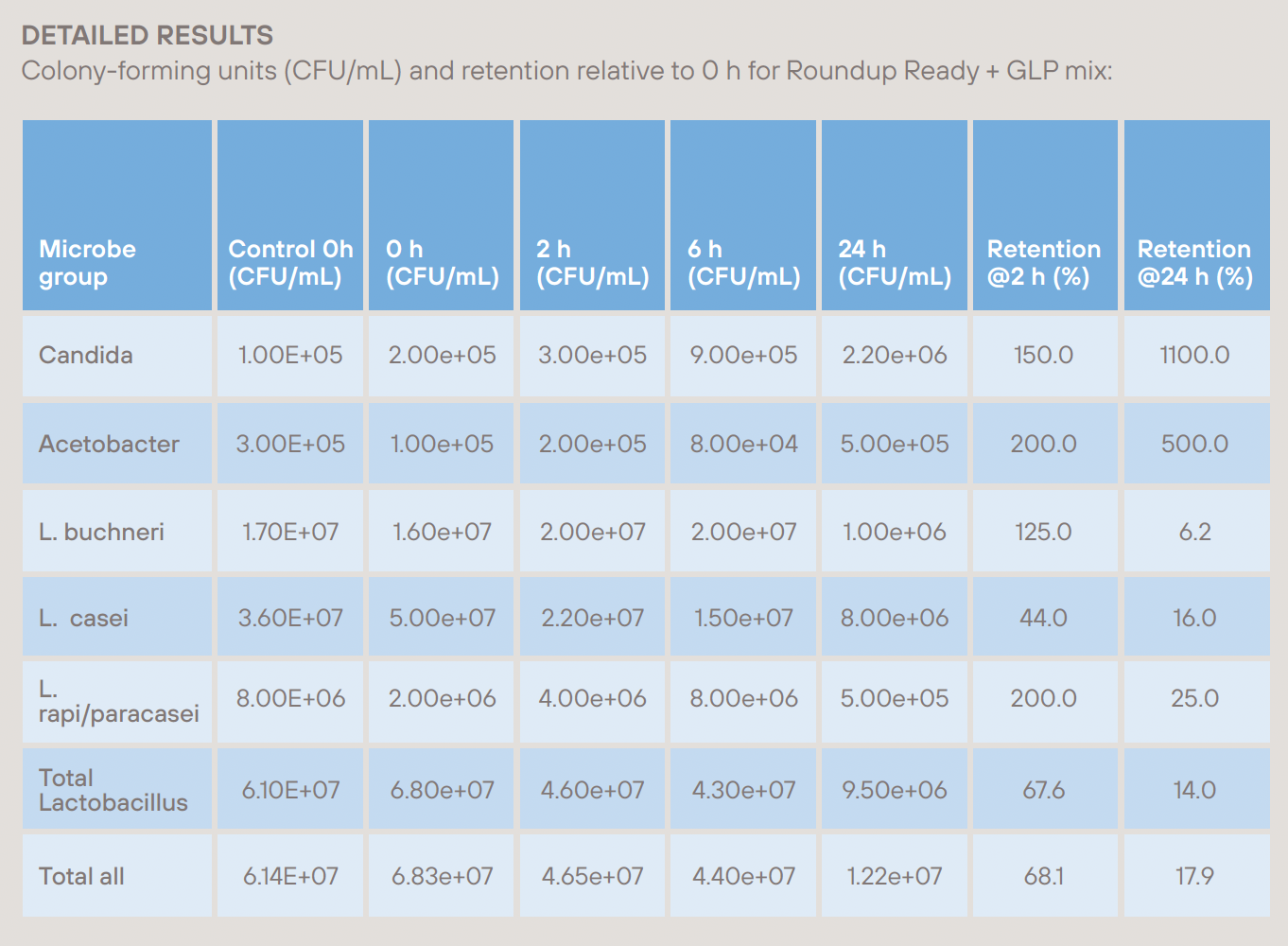
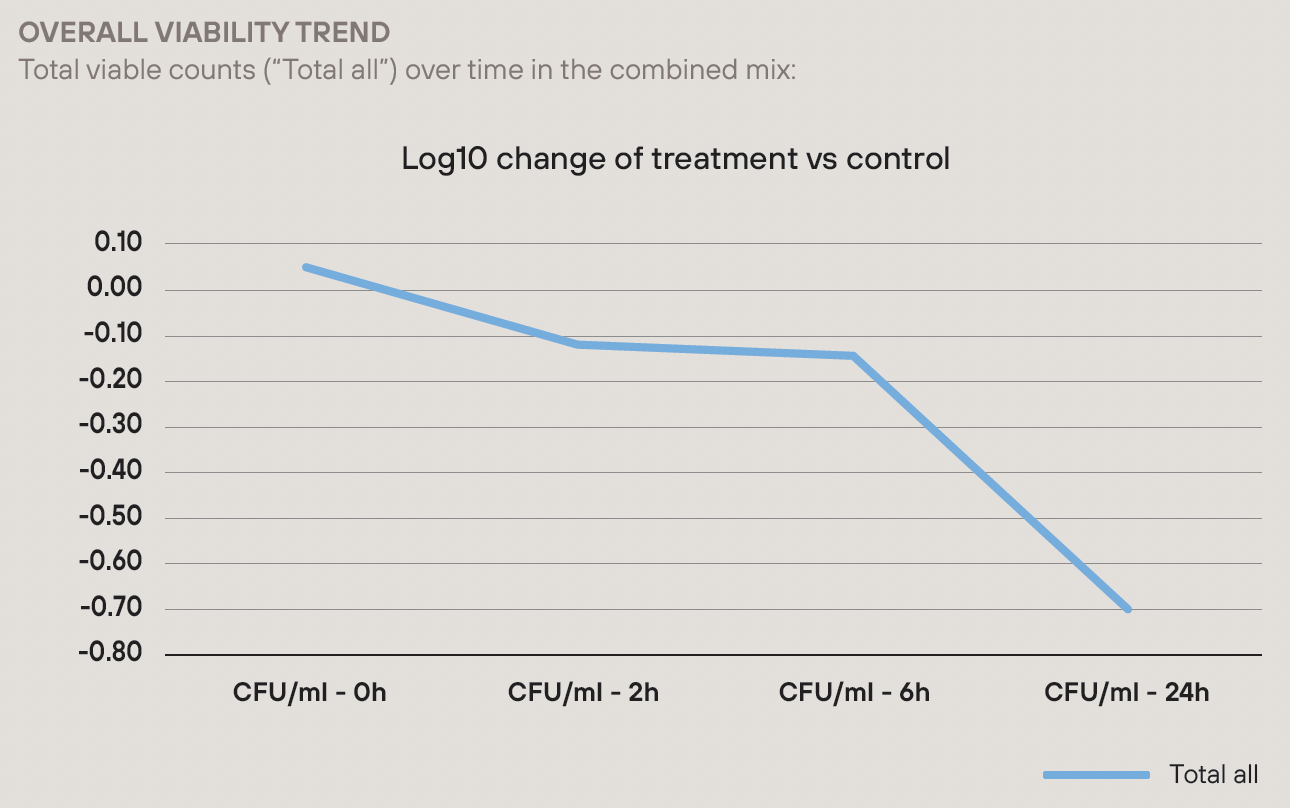
An independent study assessed the compatibility of Great Land Plus® with Roundup Ready® herbicide programs, focusing on microbial survival and practical spray operations.
The research confirmed that when GLP is mixed and applied within a 2–6 hour window, approximately 64–68% of viable microbes are retained, supporting its use in same-day spray programs.
However, holding tank mixes overnight significantly reduced microbial viability, reinforcing the importance of timely application when using biological products.
Commercial Demonstrations Across Key Cropping Systems
Glasshouse Tomatoes – Victoria
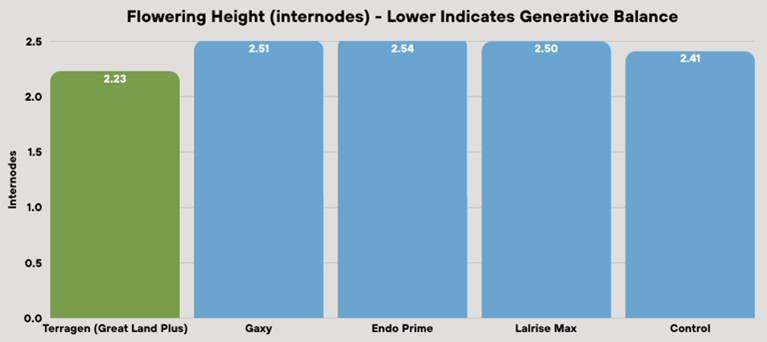
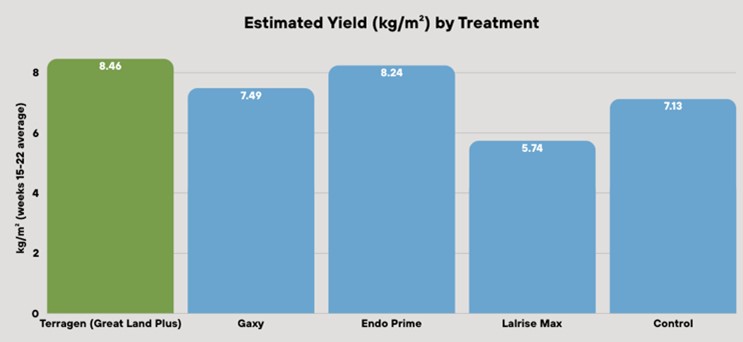
In a large commercial glasshouse trial, Great Land Plus® delivered the highest estimated yield (8.46 kg/m²), driven by heavier average fruit weight and improved crop balance. Earlier truss expression and improved fruit sizing highlighted GLP’s value in intensive horticultural systems.
Summer Cropping Trials – Western Australia
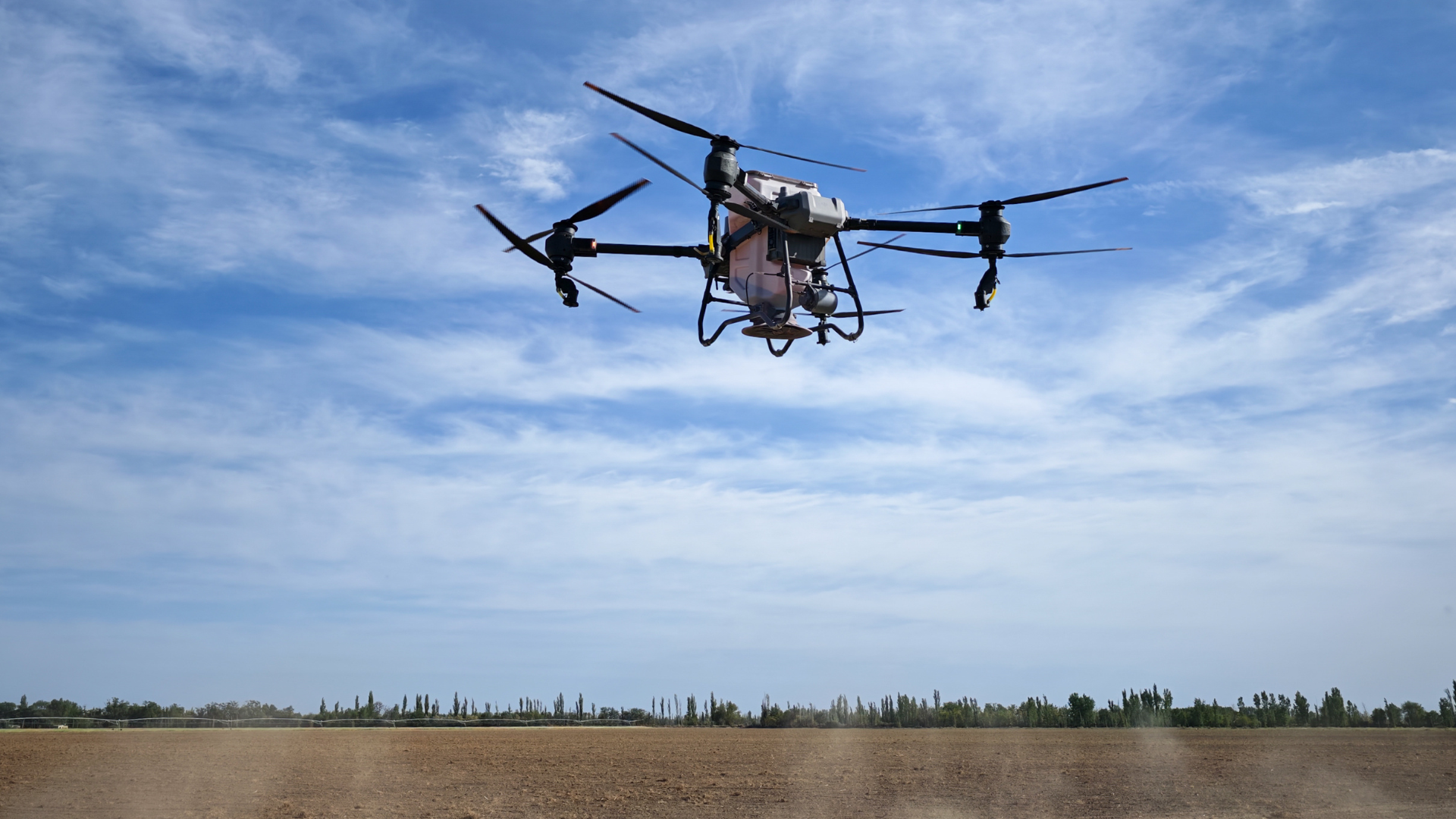
A large-scale field trial program in Waroona, WA evaluated GLP across maize, sorghum, pasture and Sudan grass under irrigated conditions. The program focused on yield response and changes in soil microbial populations, helping refine GLP use in summer cropping systems.

Cotton Demonstration – Hay, NSW
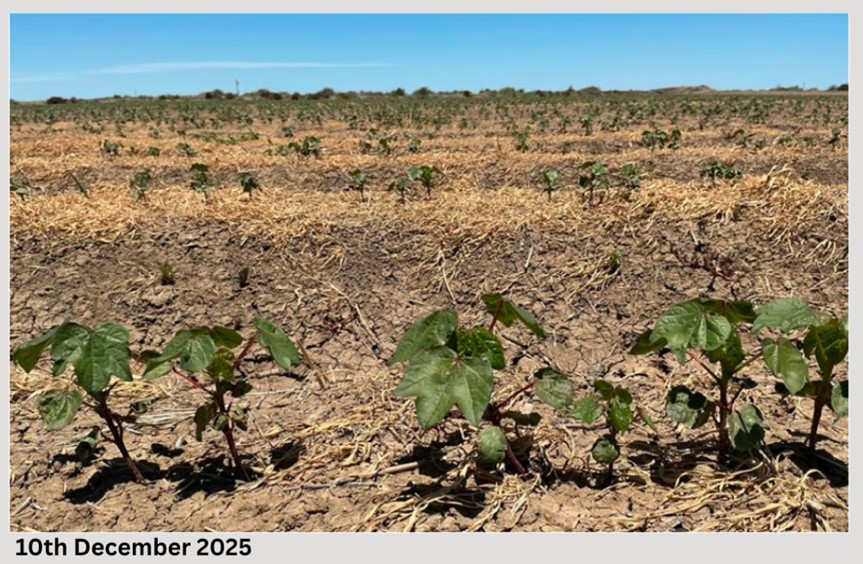
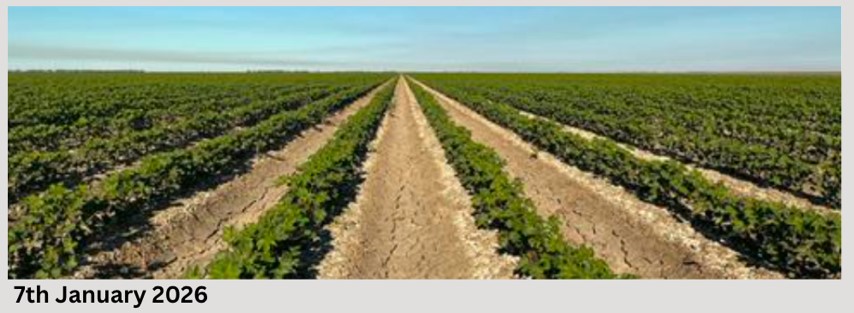
A farmer-led cotton trial assessed GLP performance under late sowing and abiotic stress conditions, measuring plant structure, flowering and yield. Early observations showed improved crop development consistency during a challenging season.
Irrigated Maize Silage – Hay, NSW
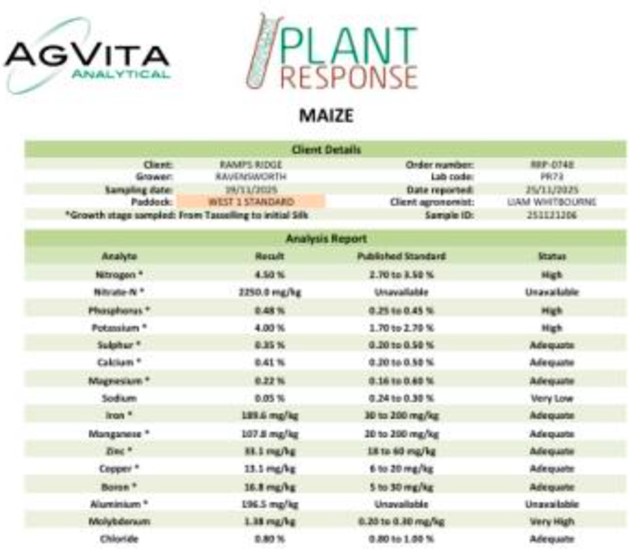
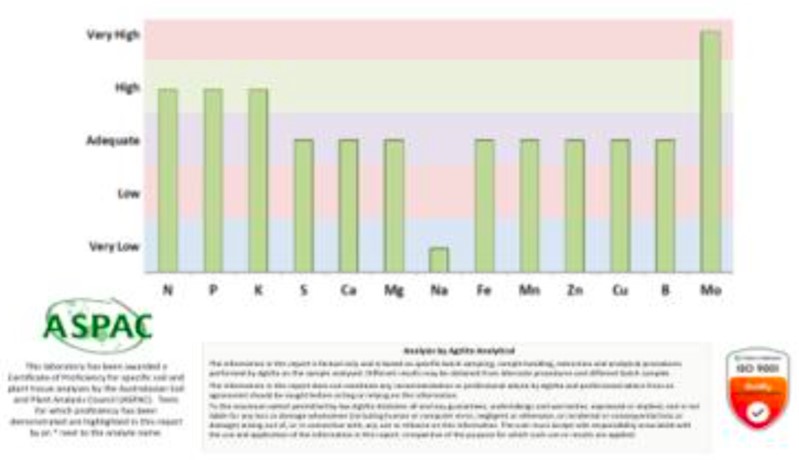
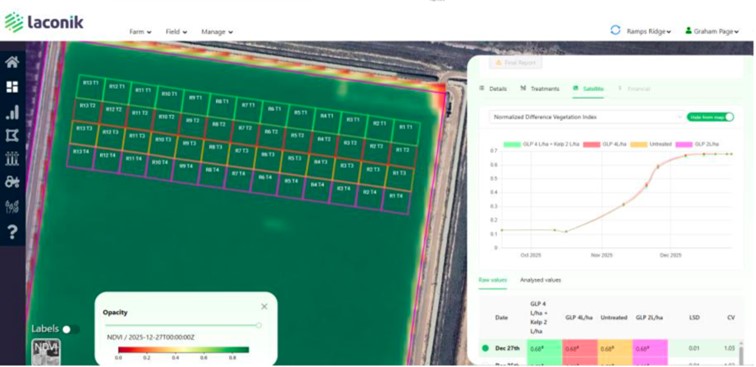
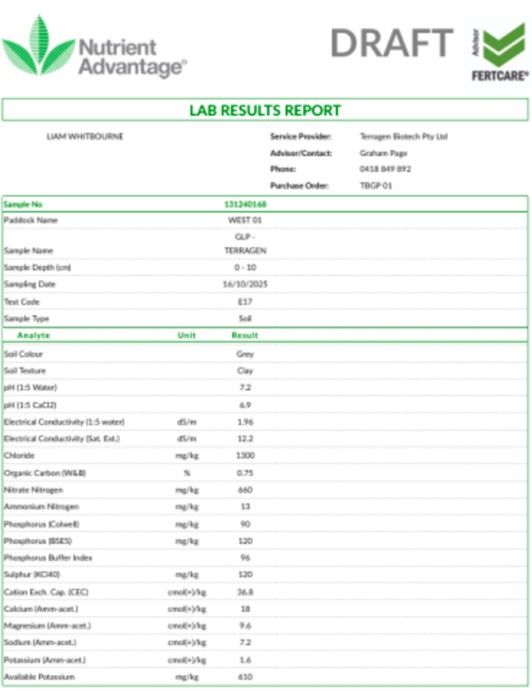
A paddock-scale maize silage demonstration used remote sensing technology to assess crop health, yield and feed quality across multiple replicated treatments, providing high-resolution insights into GLP performance.
What the Research Shows
Across independent studies and commercial demonstrations, the 2026 research highlights that:
- Application timing is critical for biostimulant effectiveness
- Microbial biostimulants support nutrient efficiency, complementing fertiliser programs
- Consistent soil biology supports more consistent crop outcomes
- Paddock-scale trials provide the most valuable insights for growers
Driving Innovation in Biostimulants
Terragen remains committed to evidence-based research to ensure Great Land Plus® performs where it matters most — in commercial farming systems.
The Great Land Plus® Research Update 2026 provides growers and agronomists with confidence that GLP is a practical, biologically active tool backed by independent data and real-world use.
To learn more about Great Land Plus®, application guidelines, or where to purchase, contact the Terragen team here.