Terragen is pleased to share that its previously announced Charles Sturt University feedlot trial has now been accepted for publication and is live in the Journal of Translational Animal Science. While this is not a new trial announcement, it is an important milestone: the results have now entered the peer-reviewed literature, giving producers, advisers and investors an additional level of confidence in how the findings can be assessed.
Why this matters
In agricultural biologicals, proof matters.
Producers do not need more noise. They need confidence that a product has been tested properly, that results have been scrutinised externally, and that performance is being communicated with precision. That is what publication adds here.
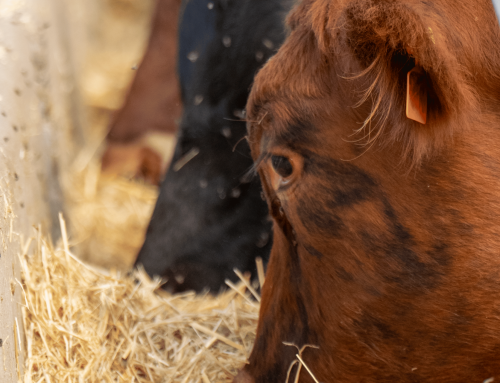
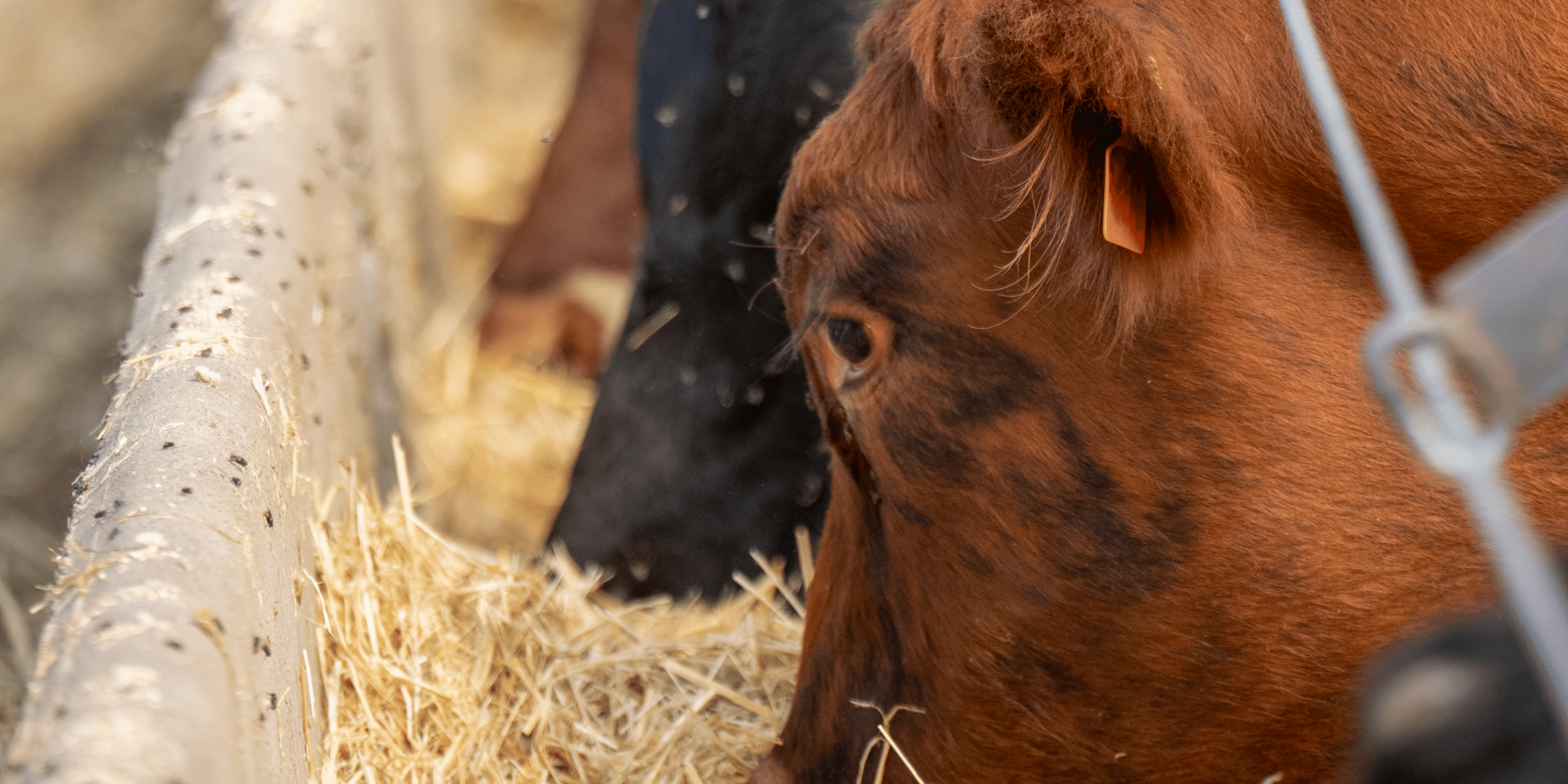
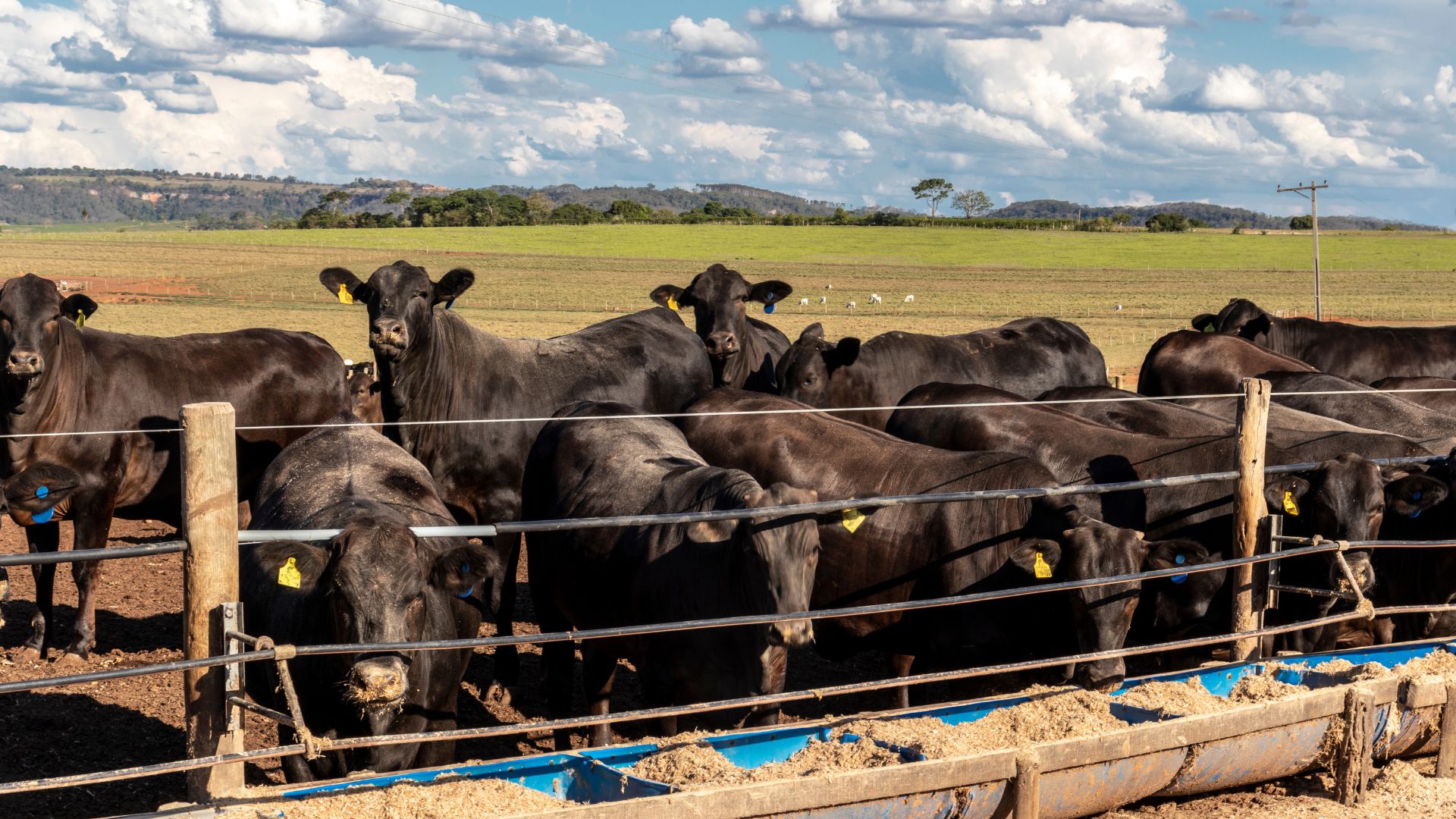
The CSU paper is based on the previously announced feedlot trial in 264 purebred Angus steers over 106 days on feed. It compared a control ration with no probiotic against liquid and dried direct-fed microbial treatments at different dose rates.
What the published paper reported
Under the trial conditions, the higher-dose dried treatment reported the strongest end-point signals in the study.
According to the published lay summary and abstract, that treatment delivered:
- up to 13.8 kg/head more liveweight than the liquid treatment
- up to $41/head higher carcass value
- the heaviest carcass weights
- larger eye muscle area than the low-dose dried treatment and controls.
The paper also reported that the higher-dose dried treatment showed a trend towards increased liveweight, with significance at 82 and 106 days on feed. At the same time, the authors noted there was no overall difference in average daily gain or gain-to-feed ratio across the full feeding period, although the higher-dose dried treatment trended towards improved feed efficiency.
That nuance is important. It is also what makes the publication credible.
The commercial lens: when cash is tight, ROI matters more
One of the realities in the market right now is that some producers are pulling back on inputs because of cash pressure. That is understandable.
But the better commercial question is not only, “What can I save today?” It is also, “What helps put more back in at the end of the program?”
That is where this publication is useful. It does not position probiotic use as a cost for cost’s sake. It adds peer-reviewed support to the case that, under the trial conditions, the recommended higher-dose dried treatment was associated with stronger end-point value.
In other words, the conversation is not just about trimming spend. It is about protecting ROI.
What this means for customers
For producers and feedlot operators assessing probiotics in high-grain systems, this publication provides an extra layer of confidence around a trial that has already been discussed commercially.
It tells customers three useful things:
1. The trial has now stood up to peer review
This is no longer just a trial summary or campaign result. It is now part of the published scientific record.
2. The response showed up where commercial programs are judged
The strongest signals were around exit weight, carcass value and eye muscle area. Those are commercial end-point measures, not abstract indicators.
3. Dose matters
The paper points to the higher-dose dried treatment as the strongest performer under the trial conditions, reinforcing the importance of using the right formulation at the right rate.
Product terminology note: The published paper uses the earlier MYLO terminology that was current at the time the CSU trial was run. In Terragen’s current product language, the higher-dose dried treatment referenced in the publication aligns with the current recommended dose of Terragen Probiotic for Ruminants® (TPR®).