Understanding the Role of Microbial Products in Modern Cropping Systems
Nitrogen remains one of the most critical—and costly—inputs in modern agriculture. As pressure grows to improve nutrient efficiency, reduce losses, and lift system resilience, interest in biological products has accelerated. Among the most common questions growers and agronomists are asking is a deceptively simple one:
Can biological products improve nitrogen mineralisation?
The short answer is yes—but not in the way many expect. Understanding how and when biologicals contribute to nitrogen processes requires a clearer view of how mineralisation works, what limits it, and where microbial products realistically fit within a farming system.
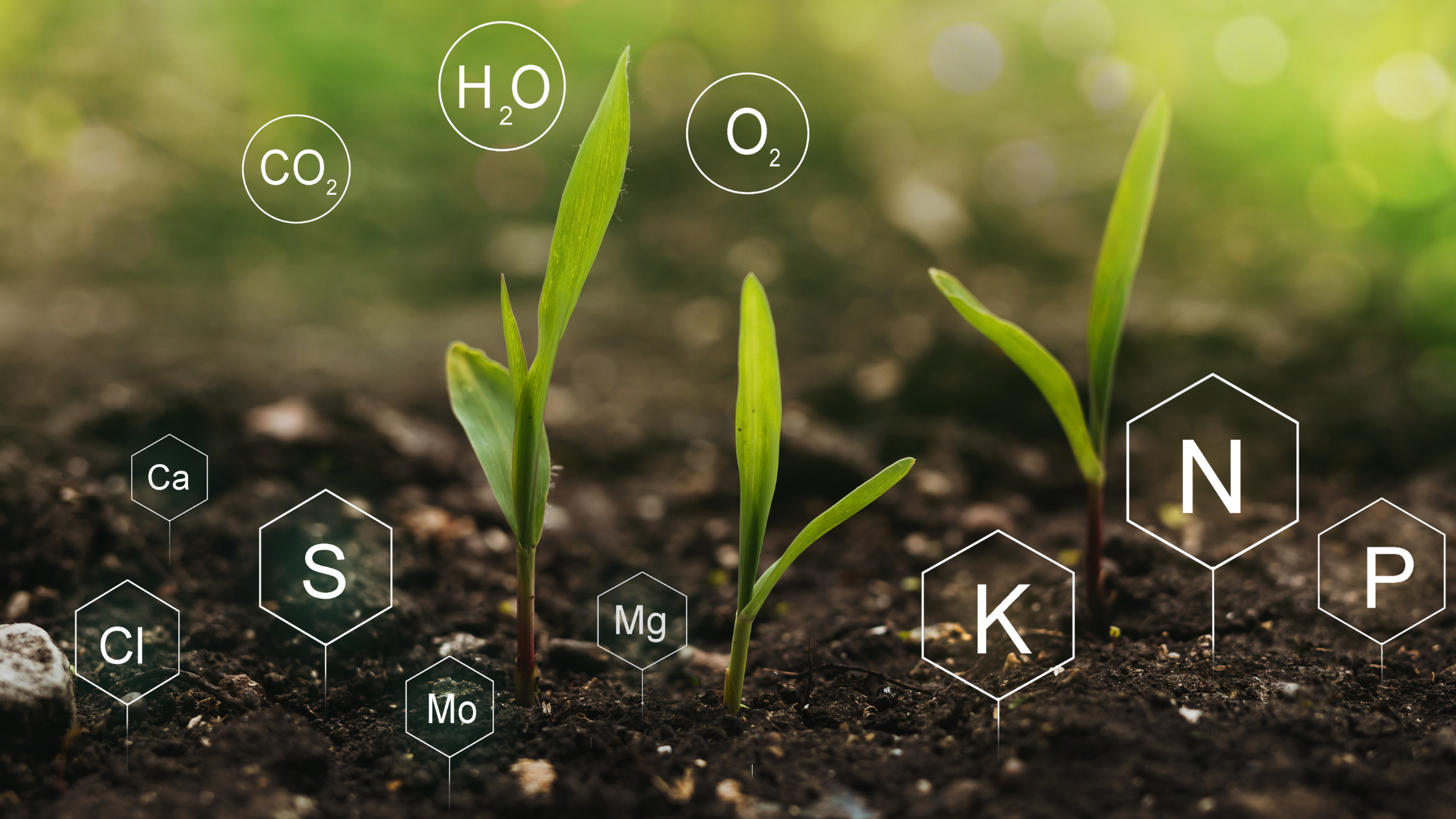
Nitrogen mineralisation is the biological process by which organic nitrogen—from soil organic matter, crop residues, manures, or composts—is converted into plant‑available inorganic forms, primarily ammonium and nitrate. This process is driven almost entirely by soil microorganisms.
Crucially, mineralisation is governed by soil moisture and temperature, availability of carbon substrates, soil aeration and structure, and existing microbial activity and diversity. In other words, nitrogen mineralisation is a system process, not a product function.
Products like Great Land Plus® (GLP) are often misunderstood as nitrogen releasers or fertiliser substitutes. They are neither. Biological products do not add nitrogen to the system, nor do they unlock nitrogen regardless of conditions. Instead, their role is to support and enhance the biological engine responsible for nutrient cycling.
Biological products can indirectly contribute to improved nitrogen mineralisation by stimulating microbial activity, influencing carbon–nitrogen dynamics, and enhancing nutrient turnover in the rhizosphere. These effects depend heavily on existing organic matter levels and environmental conditions.
By supporting microbial populations responsible for residue breakdown and enzymatic activity, biologicals may increase the system’s capacity to mineralise organic nitrogen. Similarly, improved carbon turnover can shorten immobilisation periods and increase net mineralisation later in the season.
It is important to be clear about limitations. Biological products do not create nitrogen, do not replace fertiliser nitrogen, and do not overcome poor soil moisture, low temperatures, or fundamentally low organic matter systems. Overpromising in these areas has historically damaged confidence in the biological category.
Improvements are most likely where soils contain organic matter, moisture and temperature that supports biological activity, products are applied early enough to influence system processes, and expectations are seasonal rather than immediate.
Importantly, benefits may not show up as higher soil nitrate test results. Instead, they often appear as improved nitrogen use efficiency, better early vigour, reduced risk of deficiency, and more consistent crop performance.
A more useful way to think about biologicals is that they support the efficiency and resilience of nitrogen cycling rather than acting as nitrogen sources themselves. They are enablers of biological processes, not nutrient replacements.
As agriculture moves toward tighter nutrient budgets and greater efficiency, understanding how biology, carbon, and nitrogen interact will be increasingly important.
Products like GLP have a role when used in the right context, under the right conditions, and with realistic expectations. Clear thinking—not big claims—is what will ultimately build lasting confidence in biological solutions.
Graham Page
Lead – Plant Biostimulants
Terragen Biotech Pty Ltd