Our products
A range of next-generation products – and a good dose of rural know-how – is helping farmers increase milk production, enhance soil quality, improve return on investment and naturally develop long-term sustainability.
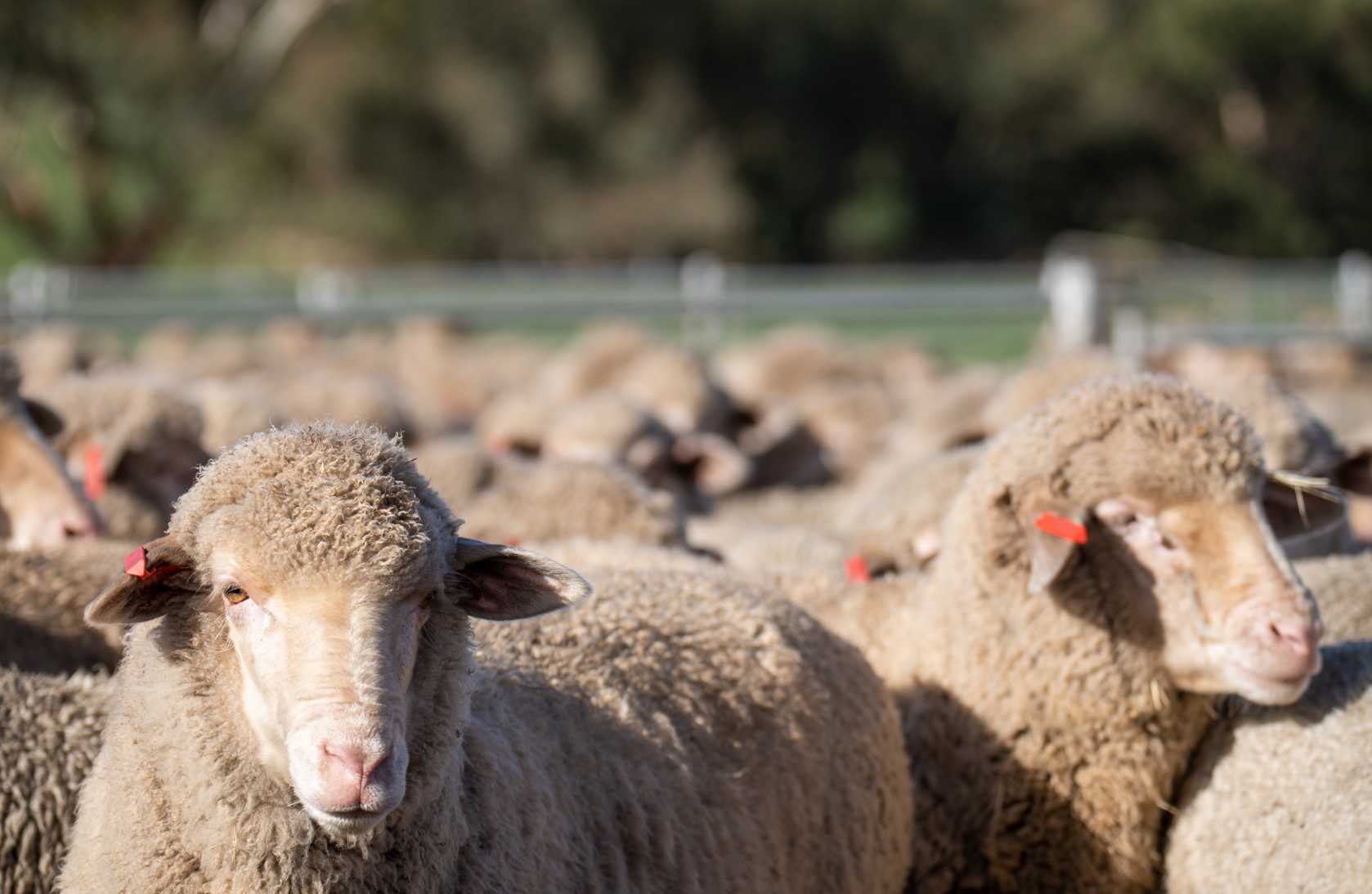

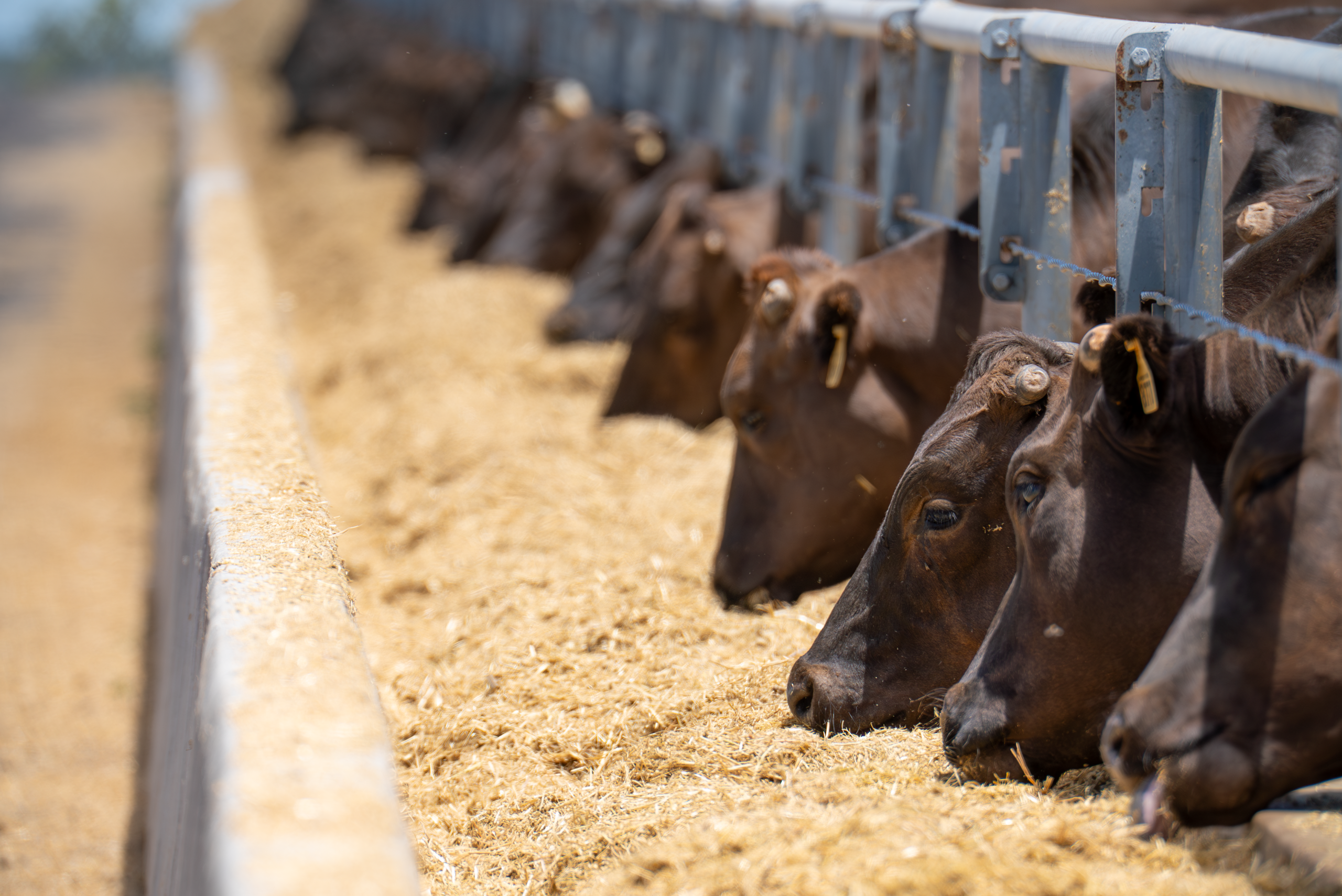
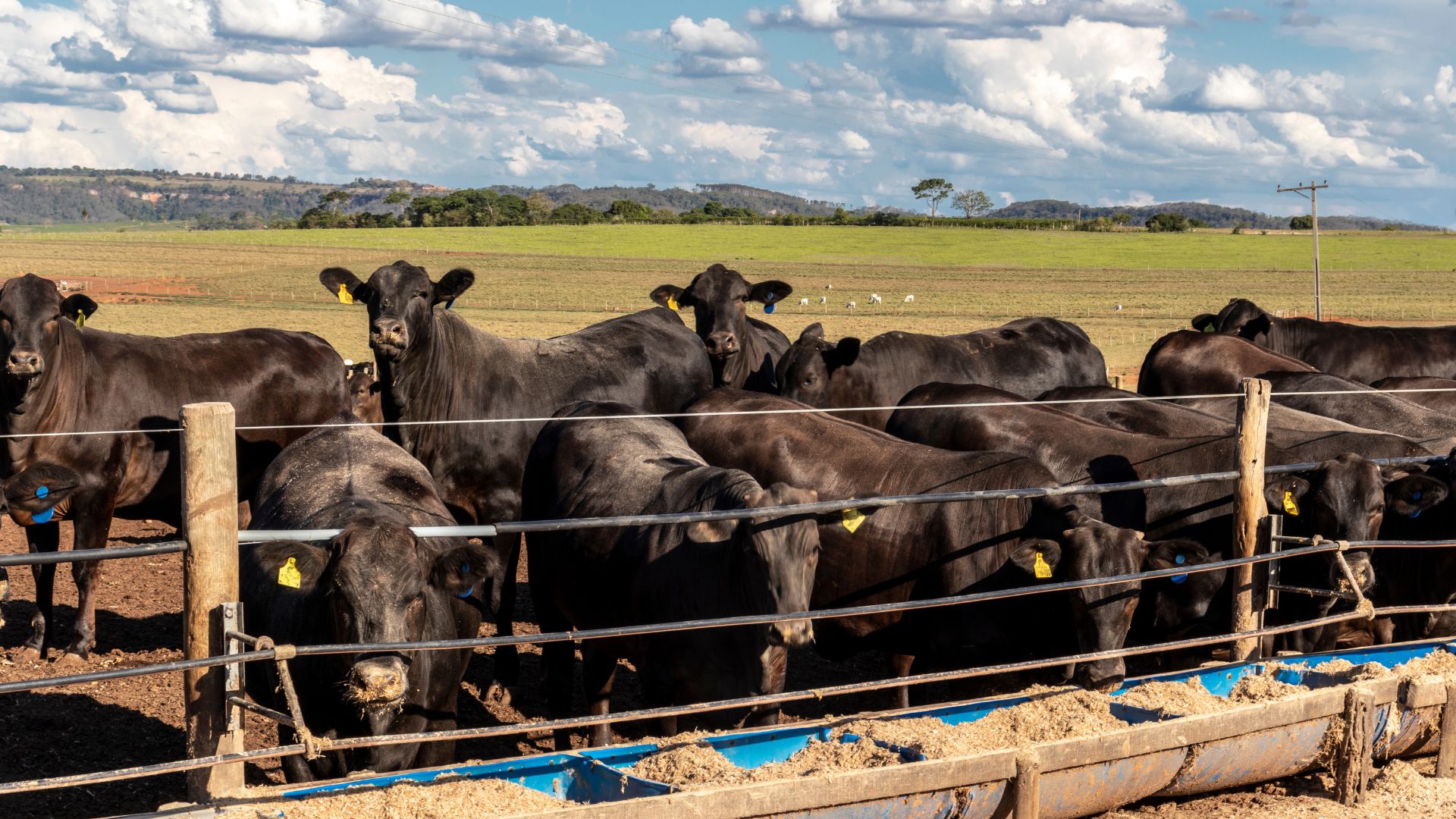
MYLO®’s effect on the live weight of calves.
Independent research by the University of Queensland.
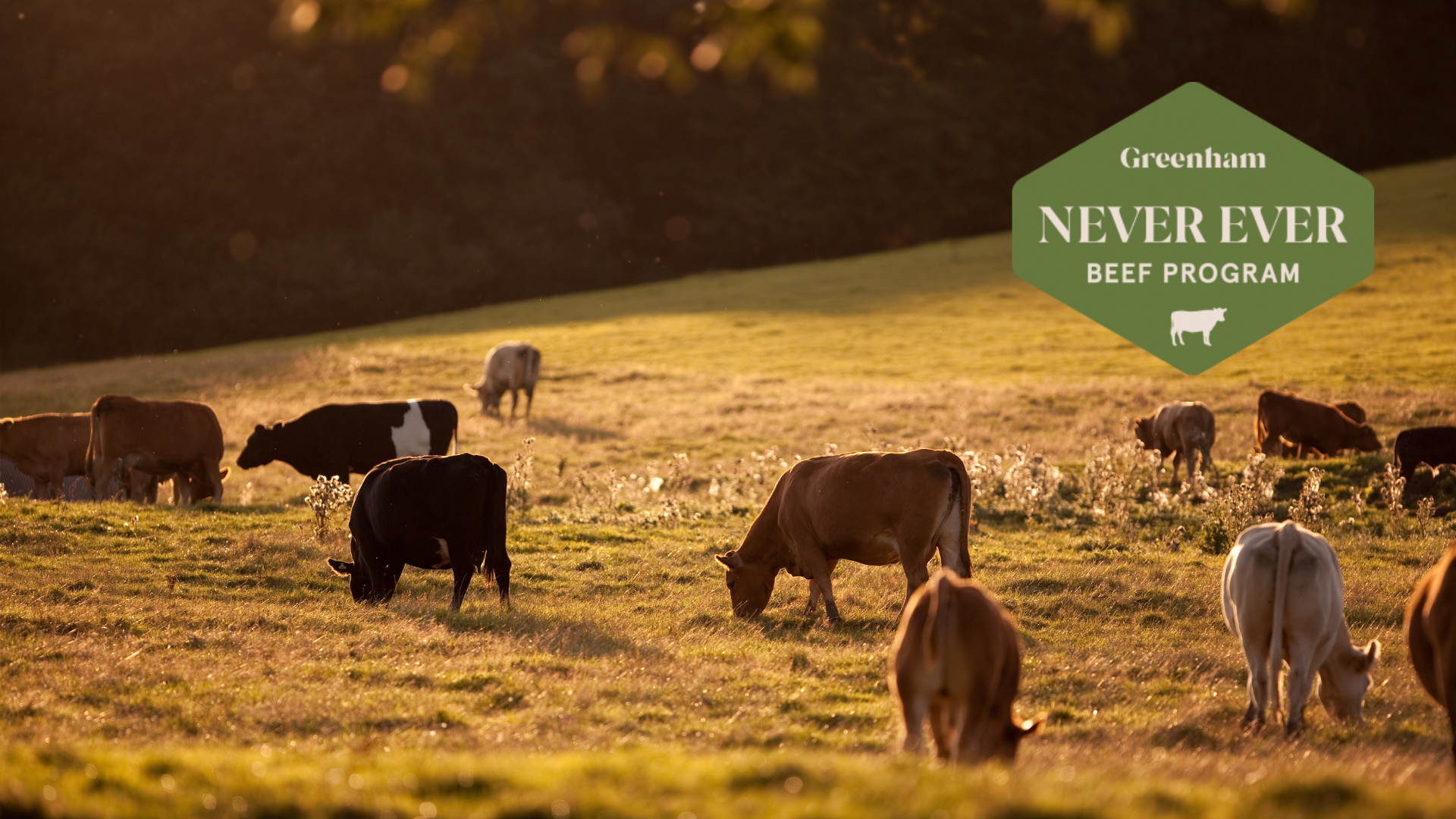
Terragen Recognised by Greenham’s “Never Ever” Program for Sustainable Beef Production
Terragen has been officially recognised by Greenham Australia, with Terragen Probiotic for Ruminants now included on the “Never Ever” Program Eligible Products List – an important milestone that reinforces Terragen’s commitment to supporting sustainability and natural production across the Australian beef industry.
A Recognition of Sustainable Innovation
The Greenham Never Ever Beef Program is one of Australia’s leading certifications for naturally produced beef. It sets strict standards for grass-fed, antibiotic-free, hormone-free, and GMO-free production – ensuring cattle are raised in alignment with premium, environmentally responsible practices.
Being listed within the Never Ever Program confirms that Terragen’s probiotic technology aligns perfectly with these principles, offering producers a natural, biological solution that enhances herd health while maintaining full compliance with Australia’s most trusted beef programs.
In Good Company
Terragen joins a select group of respected feed and supplement brands recognised under the Never Ever standards, including:
- Barastoc Pasture Beef 15
- Barastoc Pasture Beef Mash
- Barastoc Pasture Beef Calf 18
- Browns Stockfeed Grain-Free Pellet
- CopRice Grain-Free Beef Finisher 15% Blend
- Irwin Stockfeeds Grain-Free Beef Pellet
- TasStockfeed Beef Hi Protein Grain-Free Pellet
- Woods Stockfeeds PastureFed 16 Supplement Pellet
To be listed alongside these established names is an exciting acknowledgment of Terragen’s continued efforts to provide science-backed, sustainable solutions for Australian producers.
A Step Forward for Sustainable Beef
Terragen Probiotic for Ruminants has been scientifically developed to support rumen efficiency, nutrient uptake, and overall animal wellbeing, helping producers improve productivity naturally. Its inclusion in the Never Ever Program highlights how probiotic technology can complement regenerative and low-input production systems — enhancing animal performance while reducing reliance on synthetic inputs.
“At Terragen, we’re proud to support producers who are leading the way in sustainable livestock management,” said Joss West, Terragen Chief Operating Officer. “Being recognised within Greenham’s Never Ever Program is a testament to our shared vision for a more sustainable, profitable future for Australian agriculture.”
Supporting a Greener Future
With growing global demand for responsibly produced food, programs like Never Ever play a vital role in shaping the future of the Australian beef industry. Terragen’s inclusion marks another important step in helping producers meet market expectations while delivering long-term environmental and economic benefits.
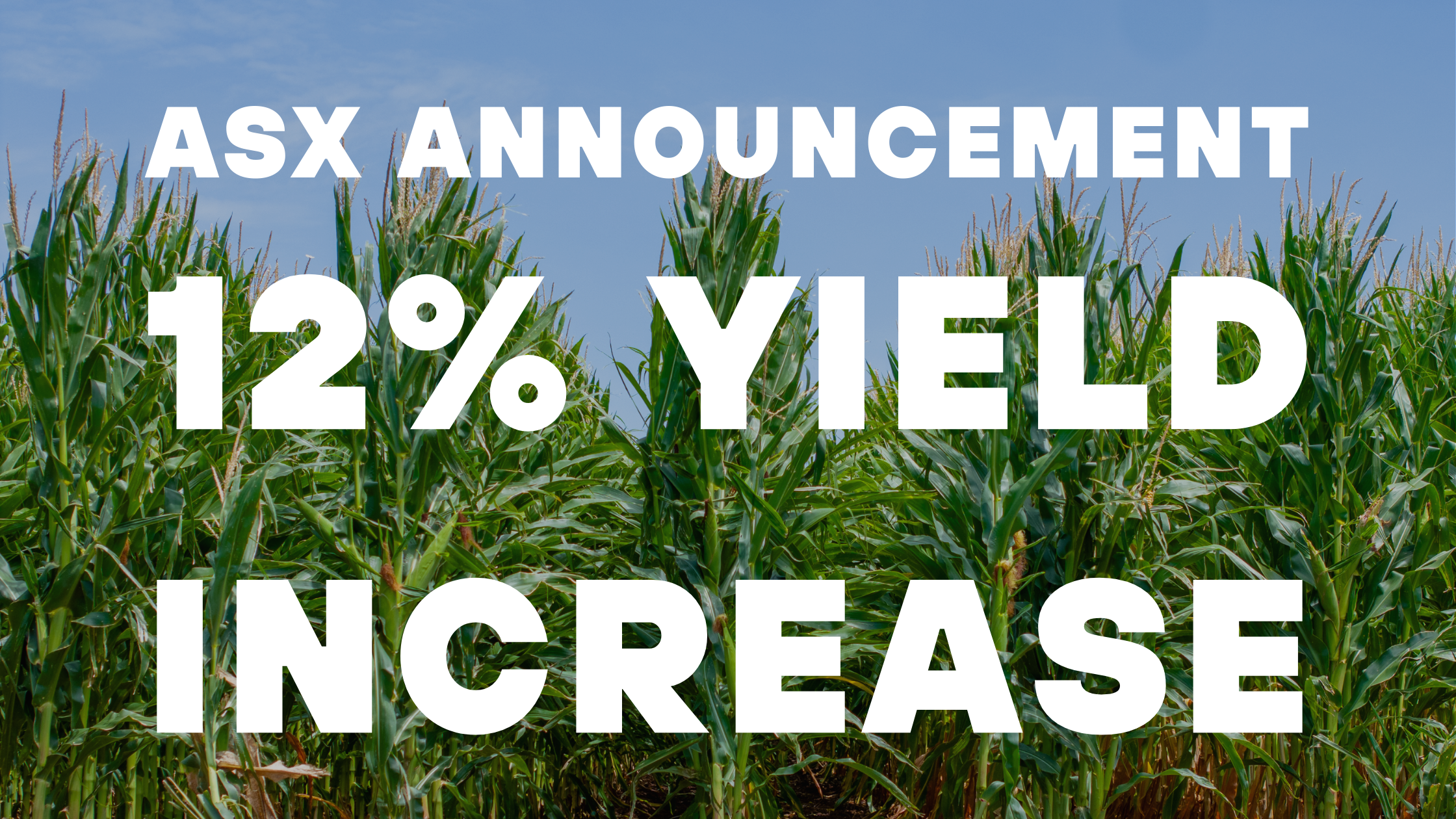
Independent Trial Supports Up to 20x ROI for Great Land Plus® at 4 L/ha
Key Highlights
Independent, Replicated and Commercial
Financial Interpretation
A Measured Approach to Performance
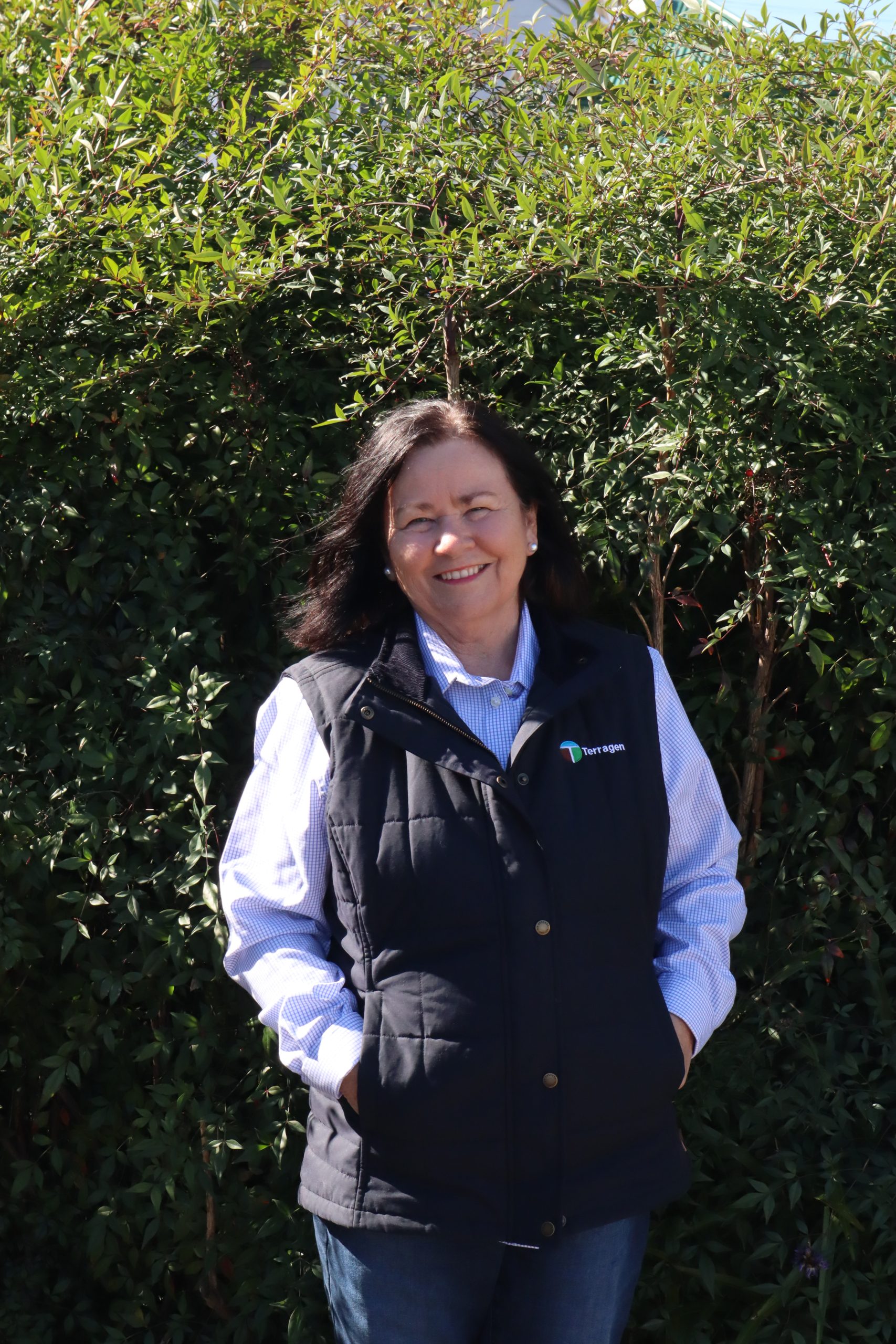
Terragen appoints Maree Crawford to Lead Innovation and Adoption
Queensland, Australia, 27th July, 2026 – Terragen has announced the appointment of respected agribusiness and agronomy leader Maree Crawford as Manager, Innovation and Adoption, strengthening the company’s national capability as interest in biological solutions continues to grow across Australian agriculture.
Maree joins Terragen with extensive experience across agronomy, fertiliser innovation, crop and livestock production, and the commercial adoption of emerging agricultural technologies.
In the newly created role, Maree will work with producers, advisers, retailers and industry partners to help translate Terragen’s microbial science and product development into practical, on-farm application.
Her appointment also marks an important milestone for Terragen’s national growth, with Maree becoming the company’s first dedicated on-ground representative in Queensland. Terragen’s team now spans every state of Australia.
Terragen Chief Executive Officer Richard Norton said Maree’s appointment reflects the company’s focus on supporting producers with evidence-led biological products that can be integrated into real farming systems.
“Biological products are attracting increasing interest across agriculture, but adoption depends on trust, evidence and practical fit,” Mr Norton said.
“Maree brings a rare combination of technical knowledge, commercial understanding and on-farm credibility. She understands the pressure producers and advisers are under, and she knows how to help turn innovation into something that can be used confidently in the paddock.”
A highly regarded figure in Australian agriculture, Maree has built a strong reputation for helping growers and advisers assess new technologies through a practical, science-based lens.
Her experience spans grains, horticulture and livestock systems, with previous leadership roles across agronomy, product innovation and sustainable farming systems. She has worked closely with research and development organisations, agronomists, producers and commercial partners to support the adoption of new chemistries, cultivars, biological products and agronomic practices.
Maree has also played an active role in industry leadership, including as Chair of the Australian Summer Grains Conference and as a Trustee on the Board of the Queensland Crop Research Centre at Tosari on the Darling Downs.
Maree said the opportunity to join Terragen comes at an important time for Australian agriculture.
“Producers are looking for tools that can help them improve productivity, manage input pressures and build more resilient farming systems,” Ms Crawford said.
“The opportunity with biologicals is significant, but it has to be grounded in evidence and practical application. That is what attracted me to Terragen.
“This role is about working closely with producers, advisers and industry partners to understand where biological products fit, how they can be used effectively, and how microbial science can support real outcomes on farm.”
Terragen develops biological products for agricultural applications using naturally occurring live microbial strains to support animal wellbeing, soil quality and plant growth.
The company’s product portfolio includes Great Land Plus®, a liquid plant biostimulant used in cropping and pasture systems, and Terragen Probiotic for Ruminants, a dry-form probiotic developed to support gastrointestinal health and productivity in beef and dairy cattle, calves and sheep.
Mr Norton said Maree’s appointment will support Terragen’s continued investment in commercialisation, education and grower engagement.
“Our role is not just to develop biological products,” Mr Norton said.
“It is to help producers and advisers understand how these products work, where they fit, and what the data shows under specific farming conditions. Maree will play an important role in that process.”
Terragen welcomes Maree Crawford to the team and looks forward to the expertise, leadership and industry insight she will bring to the company’s continued work in agricultural biologicals.
Previously announced CSU feedlot trial now peer-reviewed: what the published TPR® results mean
Terragen is pleased to share that its previously announced Charles Sturt University feedlot trial has now been accepted for publication and is live in the Journal of Translational Animal Science. While this is not a new trial announcement, it is an important milestone: the results have now entered the peer-reviewed literature, giving producers, advisers and investors an additional level of confidence in how the findings can be assessed.
Why this matters
In agricultural biologicals, proof matters.
Producers do not need more noise. They need confidence that a product has been tested properly, that results have been scrutinised externally, and that performance is being communicated with precision. That is what publication adds here.
The CSU paper is based on the previously announced feedlot trial in 264 purebred Angus steers over 106 days on feed. It compared a control ration with no probiotic against liquid and dried direct-fed microbial treatments at different dose rates.
What the published paper reported
Under the trial conditions, the higher-dose dried treatment reported the strongest end-point signals in the study.
According to the published lay summary and abstract, that treatment delivered:
- up to 13.8 kg/head more liveweight than the liquid treatment
- up to $41/head higher carcass value
- the heaviest carcass weights
- larger eye muscle area than the low-dose dried treatment and controls.
The paper also reported that the higher-dose dried treatment showed a trend towards increased liveweight, with significance at 82 and 106 days on feed. At the same time, the authors noted there was no overall difference in average daily gain or gain-to-feed ratio across the full feeding period, although the higher-dose dried treatment trended towards improved feed efficiency.
That nuance is important. It is also what makes the publication credible.
The commercial lens: when cash is tight, ROI matters more
One of the realities in the market right now is that some producers are pulling back on inputs because of cash pressure. That is understandable.
But the better commercial question is not only, “What can I save today?” It is also, “What helps put more back in at the end of the program?”
That is where this publication is useful. It does not position probiotic use as a cost for cost’s sake. It adds peer-reviewed support to the case that, under the trial conditions, the recommended higher-dose dried treatment was associated with stronger end-point value.
In other words, the conversation is not just about trimming spend. It is about protecting ROI.
What this means for customers
For producers and feedlot operators assessing probiotics in high-grain systems, this publication provides an extra layer of confidence around a trial that has already been discussed commercially.
It tells customers three useful things:
1. The trial has now stood up to peer review
This is no longer just a trial summary or campaign result. It is now part of the published scientific record.
2. The response showed up where commercial programs are judged
The strongest signals were around exit weight, carcass value and eye muscle area. Those are commercial end-point measures, not abstract indicators.
3. Dose matters
The paper points to the higher-dose dried treatment as the strongest performer under the trial conditions, reinforcing the importance of using the right formulation at the right rate.
Product terminology note: The published paper uses the earlier MYLO terminology that was current at the time the CSU trial was run. In Terragen’s current product language, the higher-dose dried treatment referenced in the publication aligns with the current recommended dose of Terragen Probiotic for Ruminants® (TPR®).
Read the published paper
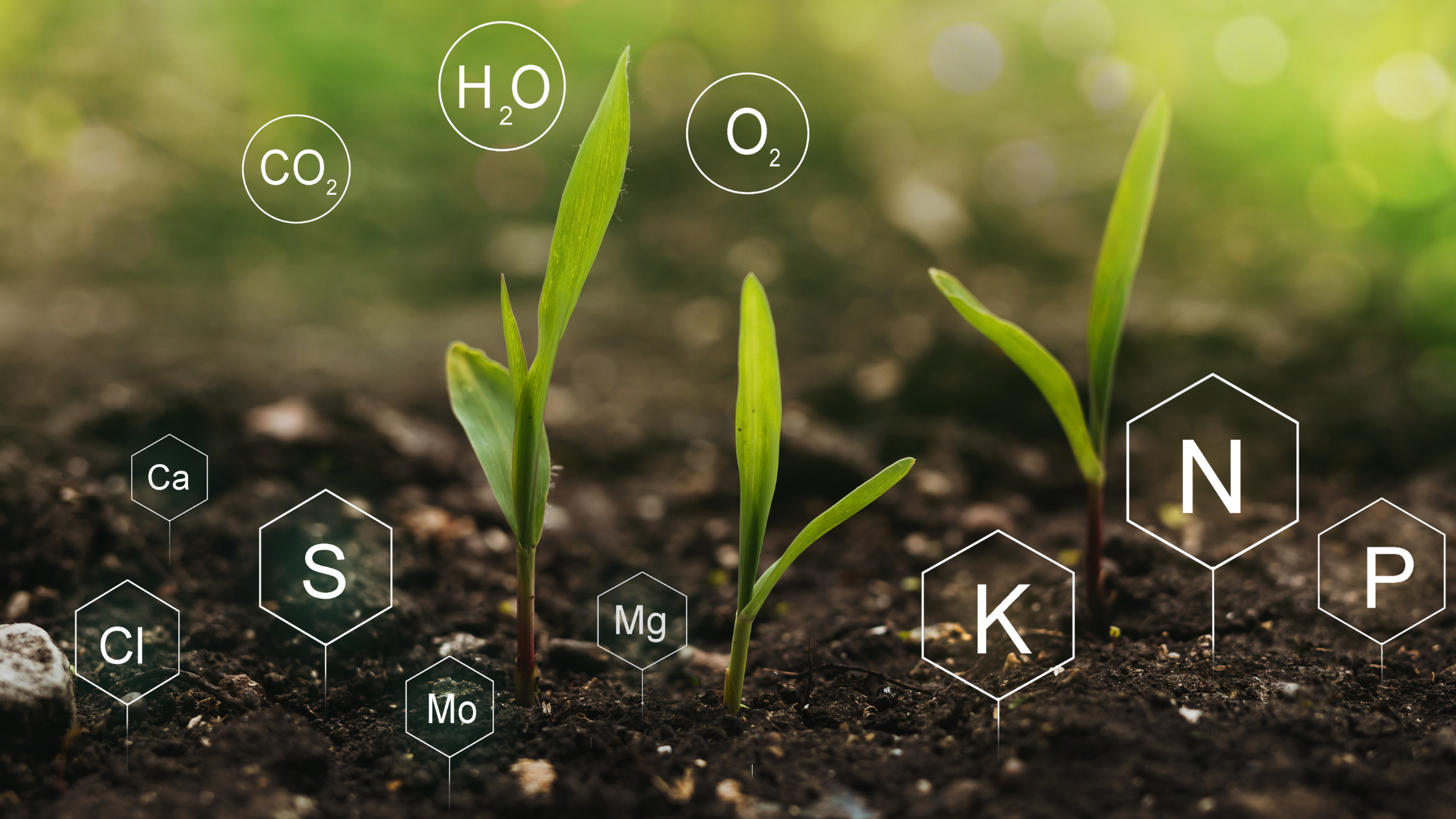
Can Biologicals Improve Nitrogen Mineralisation?
Understanding the Role of Microbial Products in Modern Cropping Systems
Nitrogen remains one of the most critical—and costly—inputs in modern agriculture. As pressure grows to improve nutrient efficiency, reduce losses, and lift system resilience, interest in biological products has accelerated. Among the most common questions growers and agronomists are asking is a deceptively simple one:
Can biological products improve nitrogen mineralisation?
The short answer is yes—but not in the way many expect. Understanding how and when biologicals contribute to nitrogen processes requires a clearer view of how mineralisation works, what limits it, and where microbial products realistically fit within a farming system.
Nitrogen mineralisation is the biological process by which organic nitrogen—from soil organic matter, crop residues, manures, or composts—is converted into plant‑available inorganic forms, primarily ammonium and nitrate. This process is driven almost entirely by soil microorganisms.
Crucially, mineralisation is governed by soil moisture and temperature, availability of carbon substrates, soil aeration and structure, and existing microbial activity and diversity. In other words, nitrogen mineralisation is a system process, not a product function.
Products like Great Land Plus® (GLP) are often misunderstood as nitrogen releasers or fertiliser substitutes. They are neither. Biological products do not add nitrogen to the system, nor do they unlock nitrogen regardless of conditions. Instead, their role is to support and enhance the biological engine responsible for nutrient cycling.
Biological products can indirectly contribute to improved nitrogen mineralisation by stimulating microbial activity, influencing carbon–nitrogen dynamics, and enhancing nutrient turnover in the rhizosphere. These effects depend heavily on existing organic matter levels and environmental conditions.
By supporting microbial populations responsible for residue breakdown and enzymatic activity, biologicals may increase the system’s capacity to mineralise organic nitrogen. Similarly, improved carbon turnover can shorten immobilisation periods and increase net mineralisation later in the season.
It is important to be clear about limitations. Biological products do not create nitrogen, do not replace fertiliser nitrogen, and do not overcome poor soil moisture, low temperatures, or fundamentally low organic matter systems. Overpromising in these areas has historically damaged confidence in the biological category.
Improvements are most likely where soils contain organic matter, moisture and temperature that supports biological activity, products are applied early enough to influence system processes, and expectations are seasonal rather than immediate.
Importantly, benefits may not show up as higher soil nitrate test results. Instead, they often appear as improved nitrogen use efficiency, better early vigour, reduced risk of deficiency, and more consistent crop performance.
A more useful way to think about biologicals is that they support the efficiency and resilience of nitrogen cycling rather than acting as nitrogen sources themselves. They are enablers of biological processes, not nutrient replacements.
As agriculture moves toward tighter nutrient budgets and greater efficiency, understanding how biology, carbon, and nitrogen interact will be increasingly important.
Products like GLP have a role when used in the right context, under the right conditions, and with realistic expectations. Clear thinking—not big claims—is what will ultimately build lasting confidence in biological solutions.
Graham Page
Lead – Plant Biostimulants
Terragen Biotech Pty Ltd
Great Land Plus® Research Update 2026: Proven Performance of a Microbial Biostimulant
As Australian growers look to improve nutrient efficiency, crop performance, and soil biology under increasingly variable conditions, biostimulants continue to play a growing role in modern farming systems.
Terragen’s Great Land Plus® (GLP) has been independently evaluated and commercially demonstrated across a range of crops and regions, providing growers with practical insights into how microbial biostimulants perform under real-world conditions.
The Great Land Plus® Research Update 2026 brings together the latest findings from independent compatibility testing and large-scale commercial trials conducted across Australia.
Independent Compatibility: What Growers Need to Know
An independent study assessed the compatibility of Great Land Plus® with Roundup Ready® herbicide programs, focusing on microbial survival and practical spray operations.
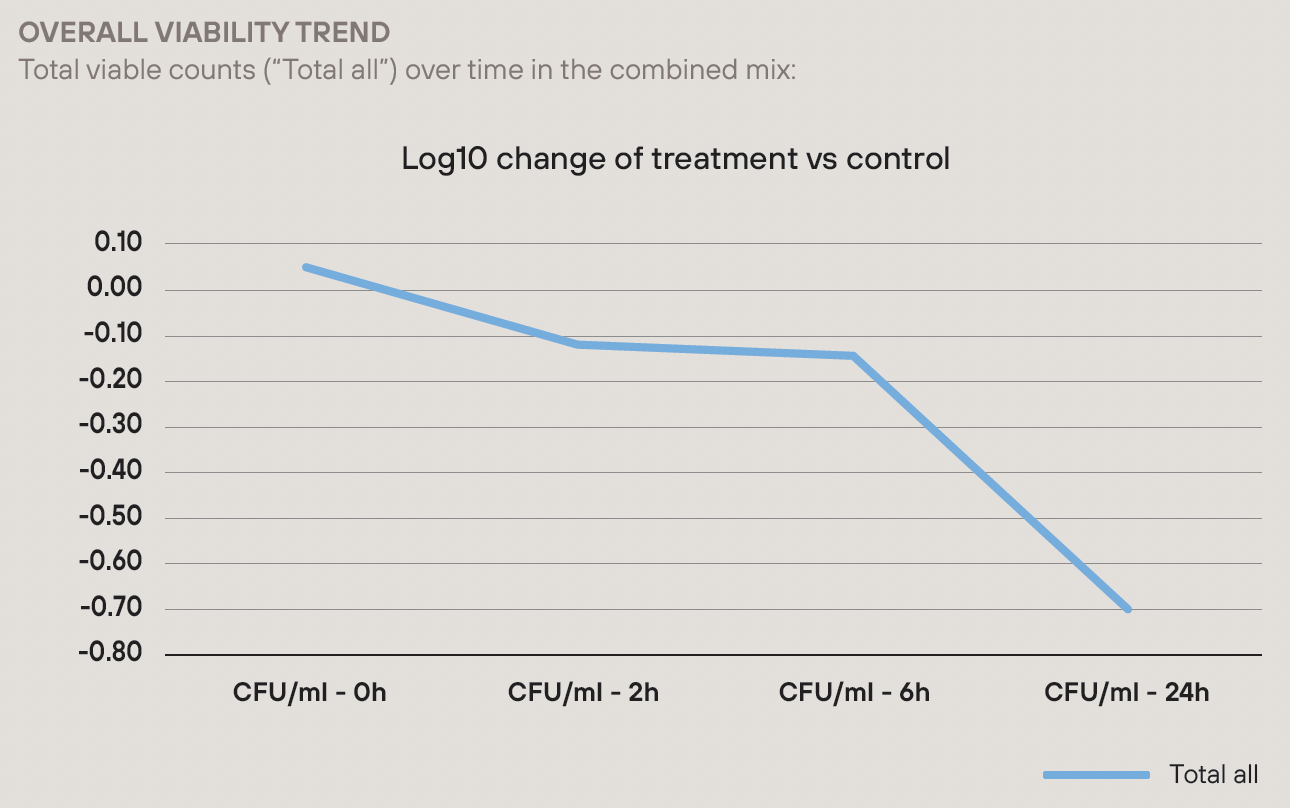
The research confirmed that when GLP is mixed and applied within a 2–6 hour window, approximately 64–68% of viable microbes are retained, supporting its use in same-day spray programs.
However, holding tank mixes overnight significantly reduced microbial viability, reinforcing the importance of timely application when using biological products.
Commercial Demonstrations Across Key Cropping Systems
Glasshouse Tomatoes – Victoria
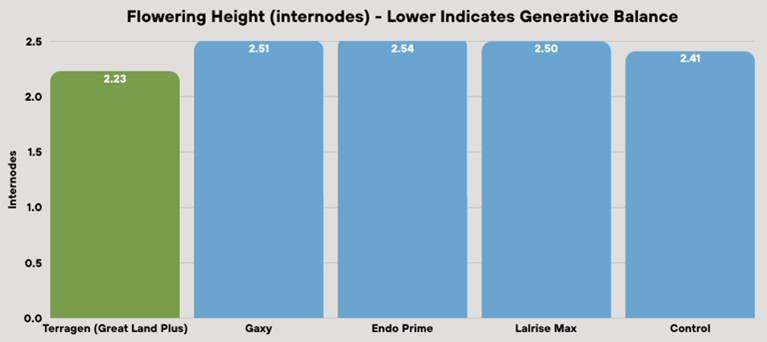
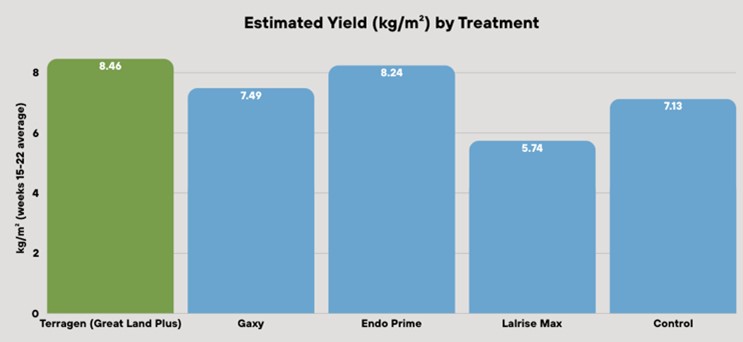
In a large commercial glasshouse trial, Great Land Plus® delivered the highest estimated yield (8.46 kg/m²), driven by heavier average fruit weight and improved crop balance. Earlier truss expression and improved fruit sizing highlighted GLP’s value in intensive horticultural systems.
Summer Cropping Trials – Western Australia
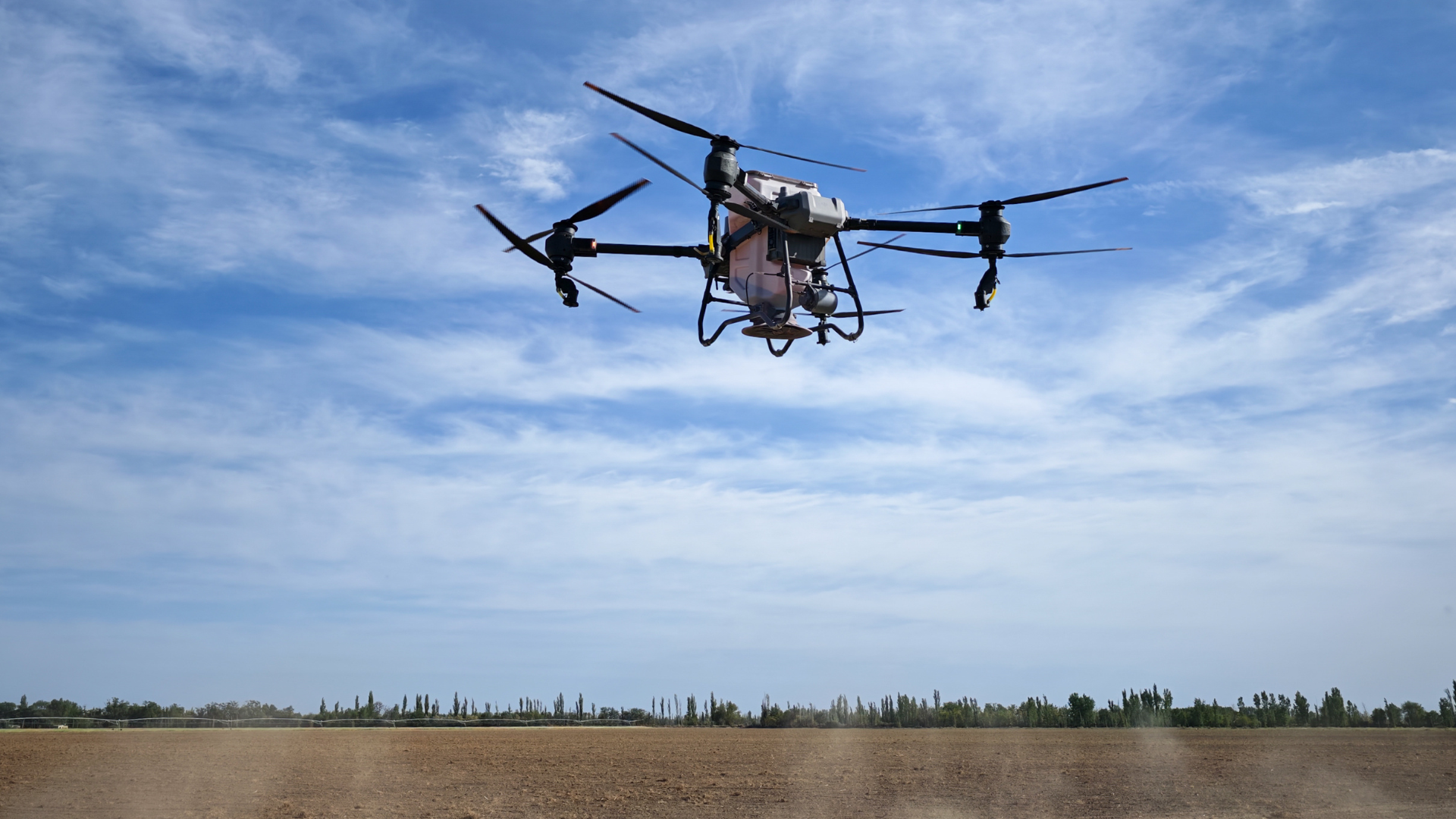
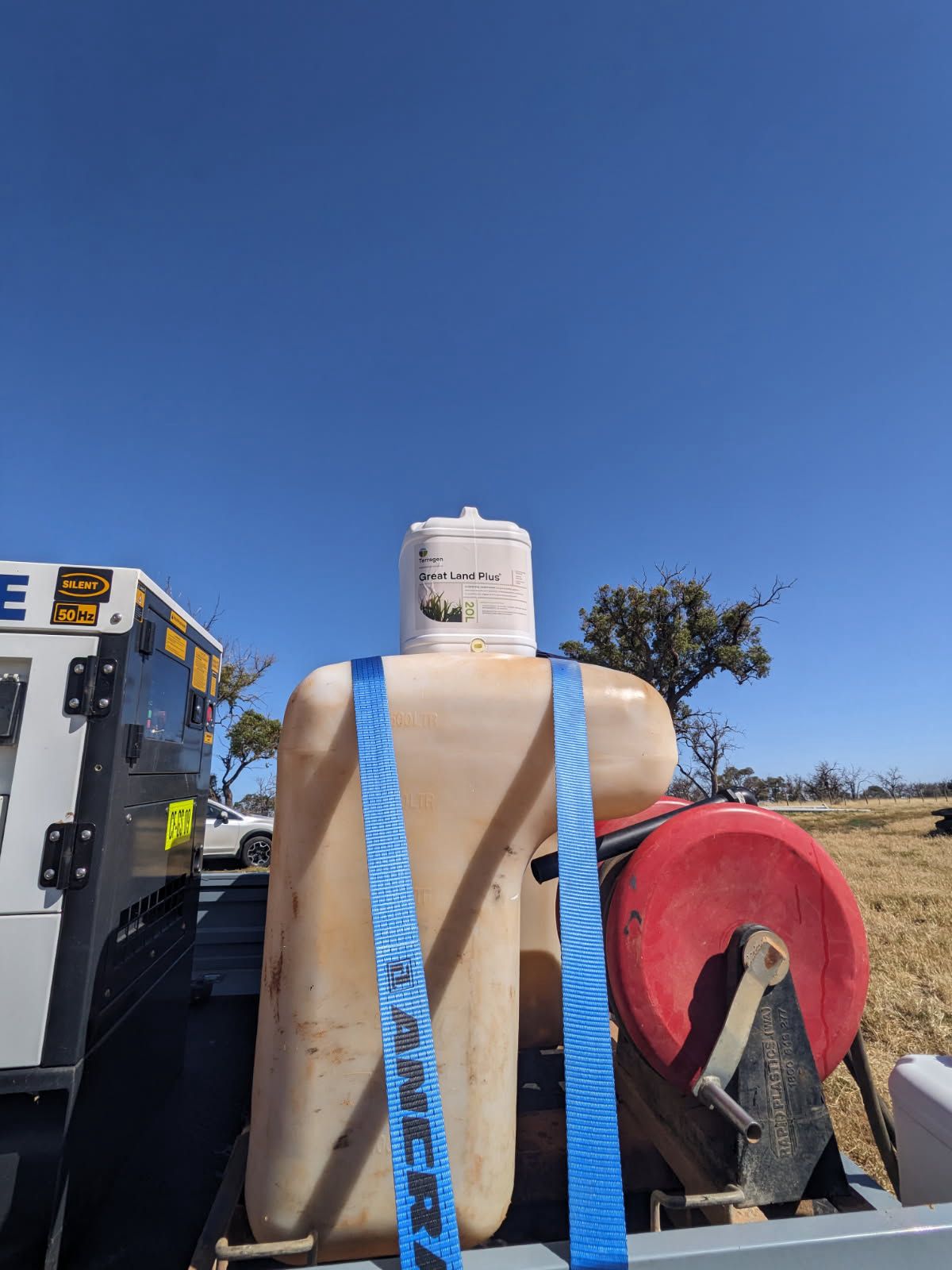
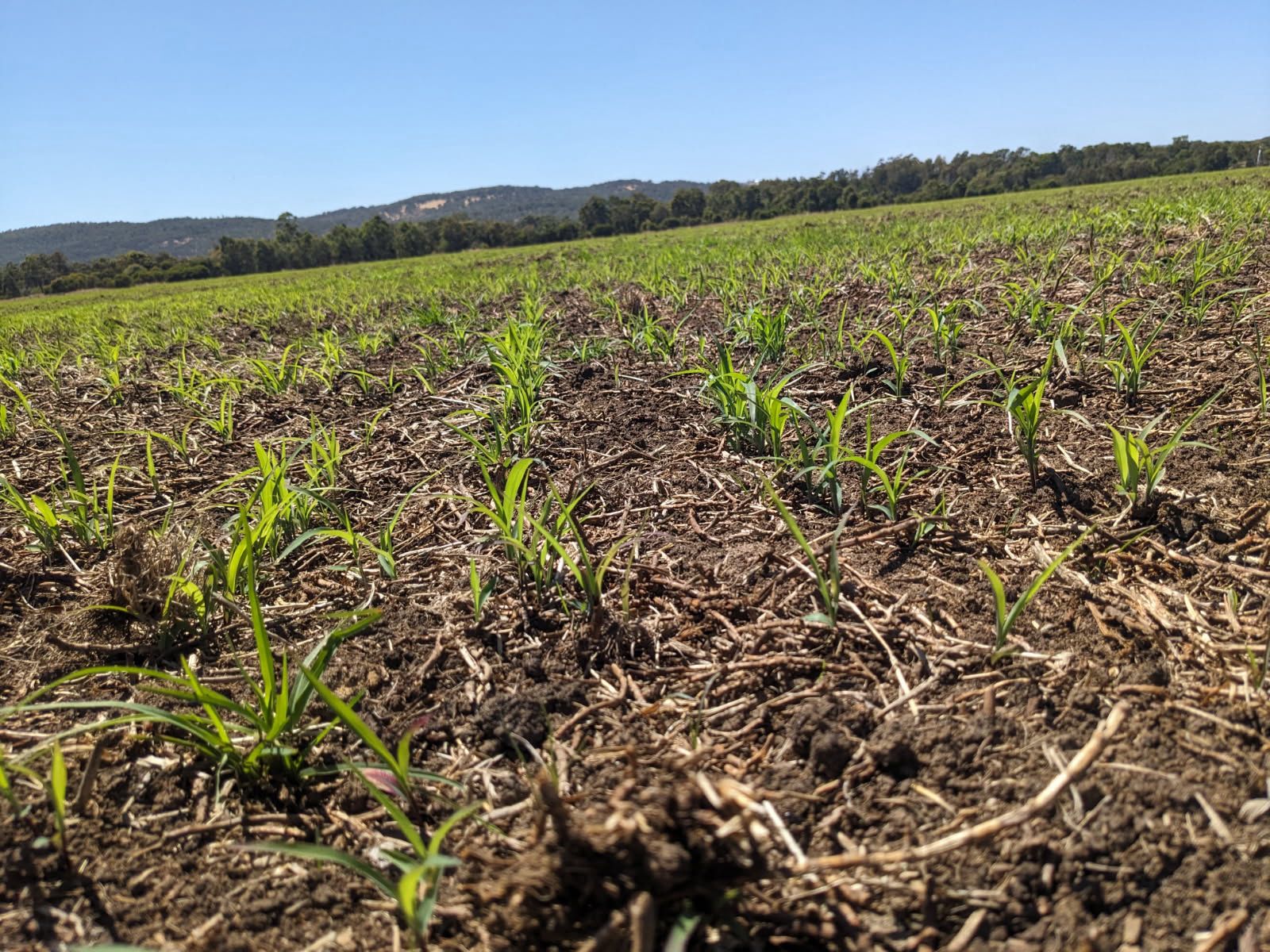
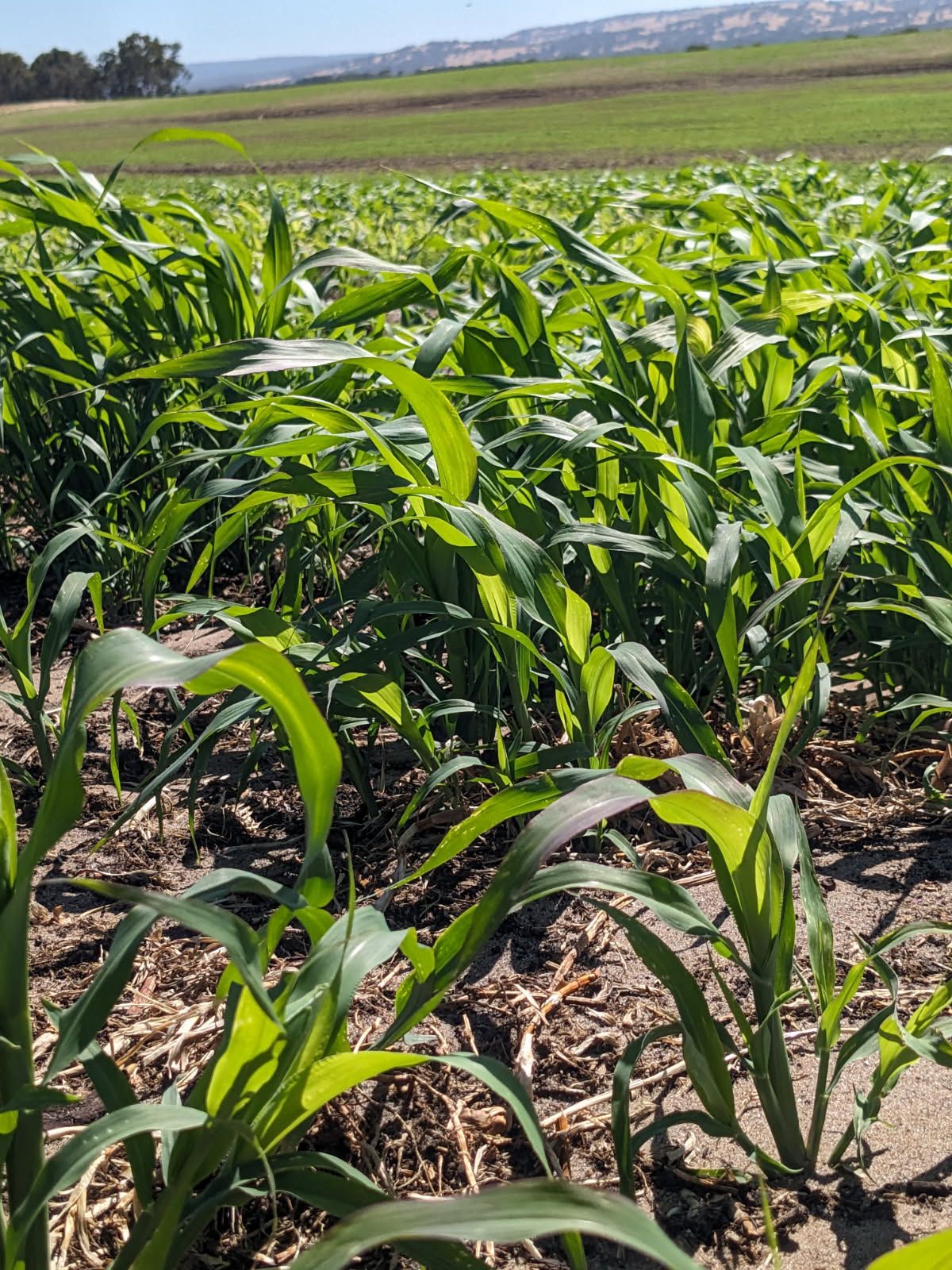
A large-scale field trial program in Waroona, WA evaluated GLP across maize, sorghum, pasture and Sudan grass under irrigated conditions. The program focused on yield response and changes in soil microbial populations, helping refine GLP use in summer cropping systems.

Cotton Demonstration – Hay, NSW
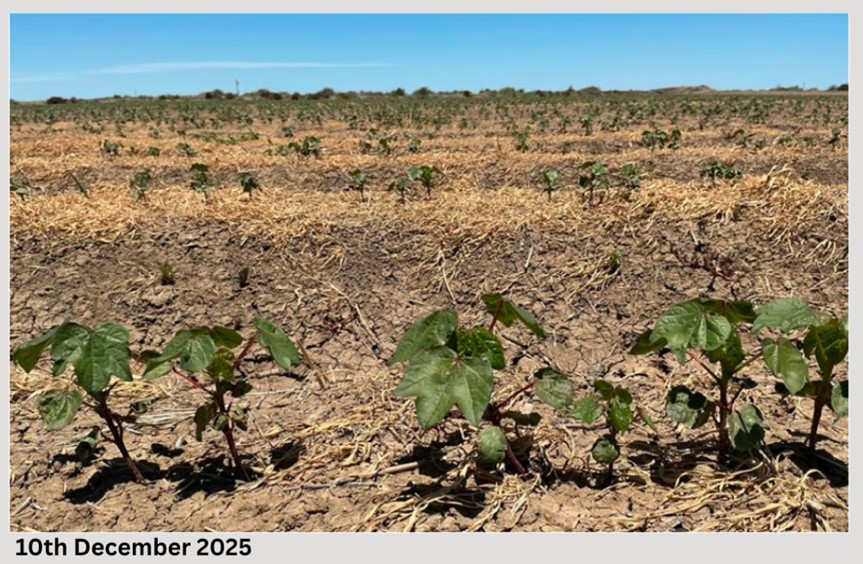
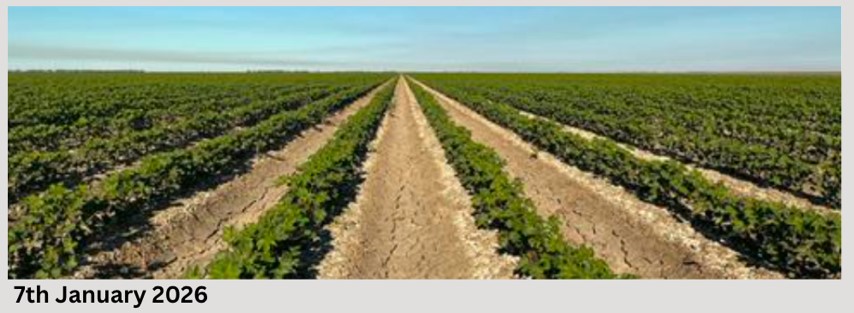
A farmer-led cotton trial assessed GLP performance under late sowing and abiotic stress conditions, measuring plant structure, flowering and yield. Early observations showed improved crop development consistency during a challenging season.
Irrigated Maize Silage – Hay, NSW
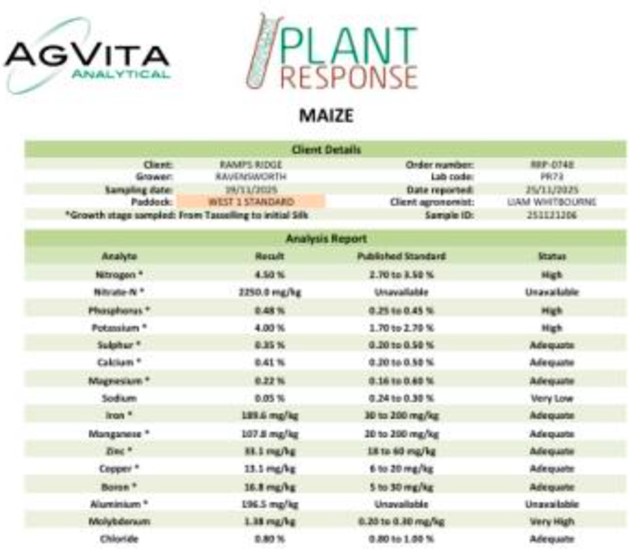
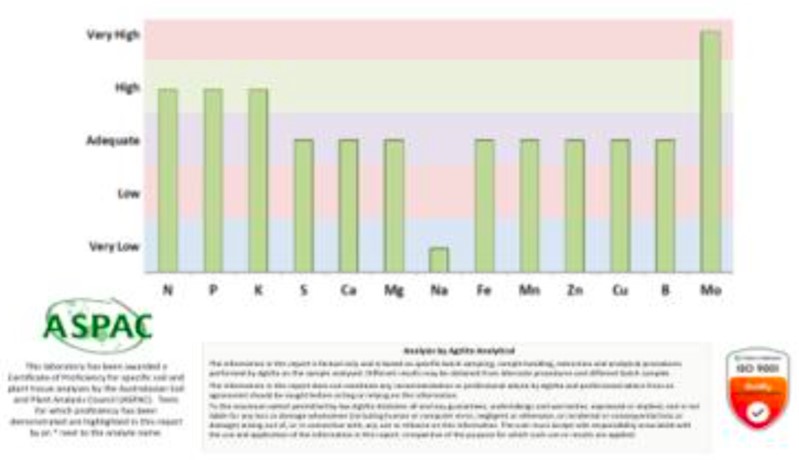
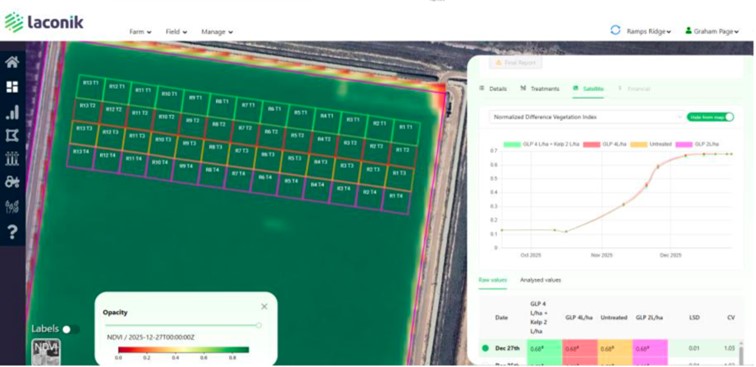
A paddock-scale maize silage demonstration used remote sensing technology to assess crop health, yield and feed quality across multiple replicated treatments, providing high-resolution insights into GLP performance.
What the Research Shows
Across independent studies and commercial demonstrations, the 2026 research highlights that:
- Application timing is critical for biostimulant effectiveness
- Microbial biostimulants support nutrient efficiency, complementing fertiliser programs
- Consistent soil biology supports more consistent crop outcomes
- Paddock-scale trials provide the most valuable insights for growers
Driving Innovation in Biostimulants
Terragen remains committed to evidence-based research to ensure Great Land Plus® performs where it matters most — in commercial farming systems.
The Great Land Plus® Research Update 2026 provides growers and agronomists with confidence that GLP is a practical, biologically active tool backed by independent data and real-world use.
To learn more about Great Land Plus®, application guidelines, or where to purchase, contact the Terragen team here.
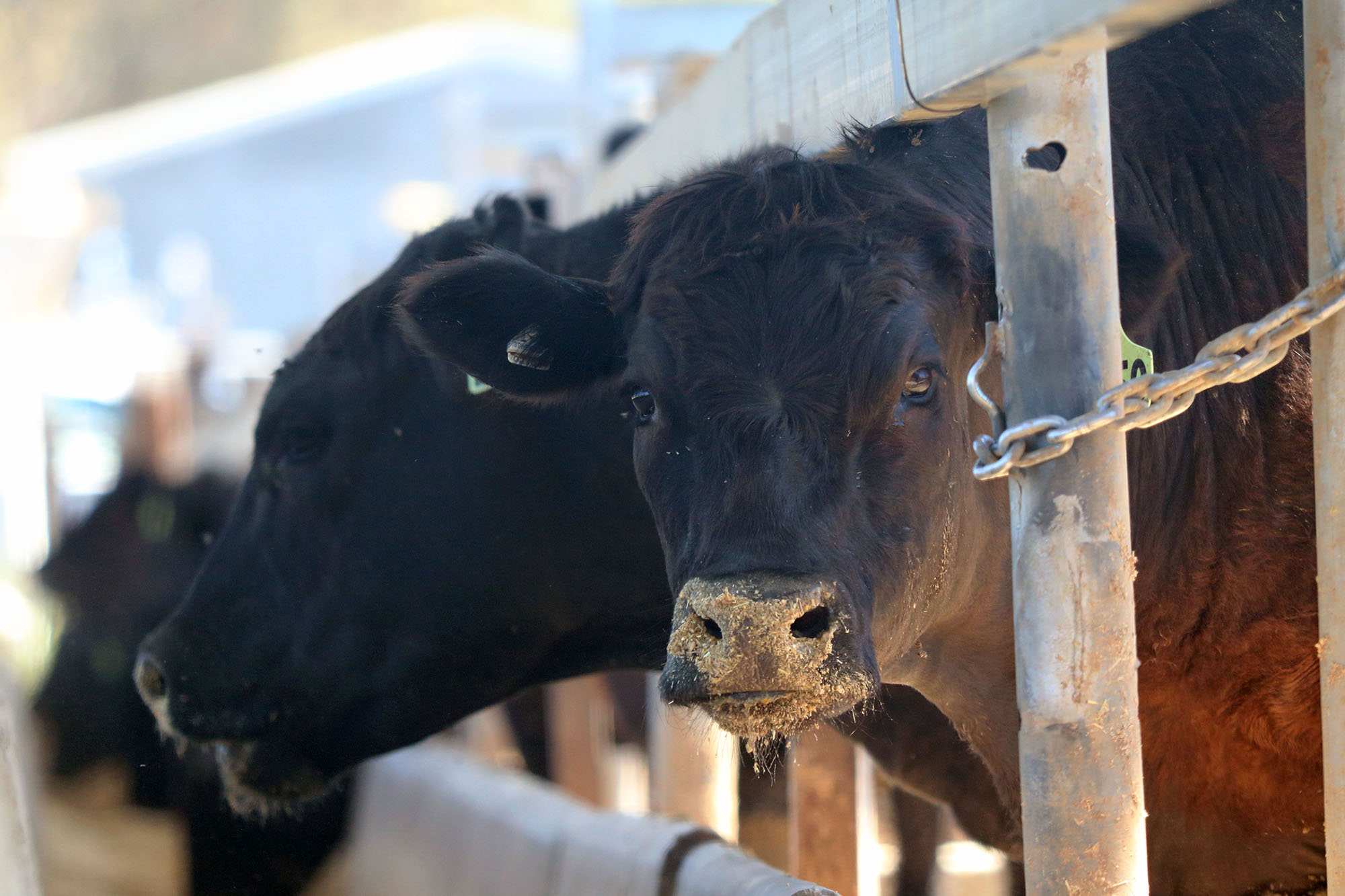
Australian Ag Biotech Steps Onto the Global Stage
Terragen launches first international feedlot trial for its Probiotic™ for Ruminants in Canada
Terragen has taken an important step in expanding its global footprint, announcing the first international research trialof its Probiotic™ for Ruminants (TPR) — a live microbial supplement designed to support animal health and performance.
The two-phase Canadian feedlot trial, conducted in partnership with the Agriculture and Agri-Food Canada (AAFC), the University of Calgary, and the Beef Cattle Research Council, will evaluate TPR’s effect on cattle growth performance, carcass quality, and gut-immune function under North American production conditions.
AAFC’s Professor Trevor Alexander said the study aligns with their broader research focus on bovine respiratory disease (BRD) and animal health.
“We’re excited to explore how probiotics influence gut and respiratory health in feedlot cattle,” he said.
Phase one focuses on digestion, microbiota, and immunity across a 60-day period, while phase two extends to 300 days, assessing long-term productivity, health outcomes and carcass quality.
Terragen COO and veterinarian, Dr Joss West, said the project underscores Terragen’s commitment to independent research and data-driven innovation.
“This collaboration allows us to validate the performance of TPR in a major global beef market,” he said.
“It’s a crucial step toward demonstrating the consistent value of probiotic technology across diverse production systems.”
The trial builds on Terragen’s proven results in Australia, including a 2024 feedlot trial at Charles Sturt University showing improved average daily gain, feed efficiency, and carcass value in Angus steers fed TPR.

Great Land Plus sees exceptional results at pasture trial harvests
How the product performed at its commercial field trial.
Naturalift: Terragen’s Next Evolution in Microbial Innovation
For more than a decade, Terragen has been at the forefront of microbial biotechnology, delivering proven, science-backed solutions to farmers across Australia. From Probiotic™ for Ruminants (TPR) to the widely adopted Great Land Plus® (GLP), our technology has helped producers improve livestock performance, increase nutrient efficiency, reduce inputs, and build more resilient farming systems.
Today, we’re proud to announce the next step in our journey:
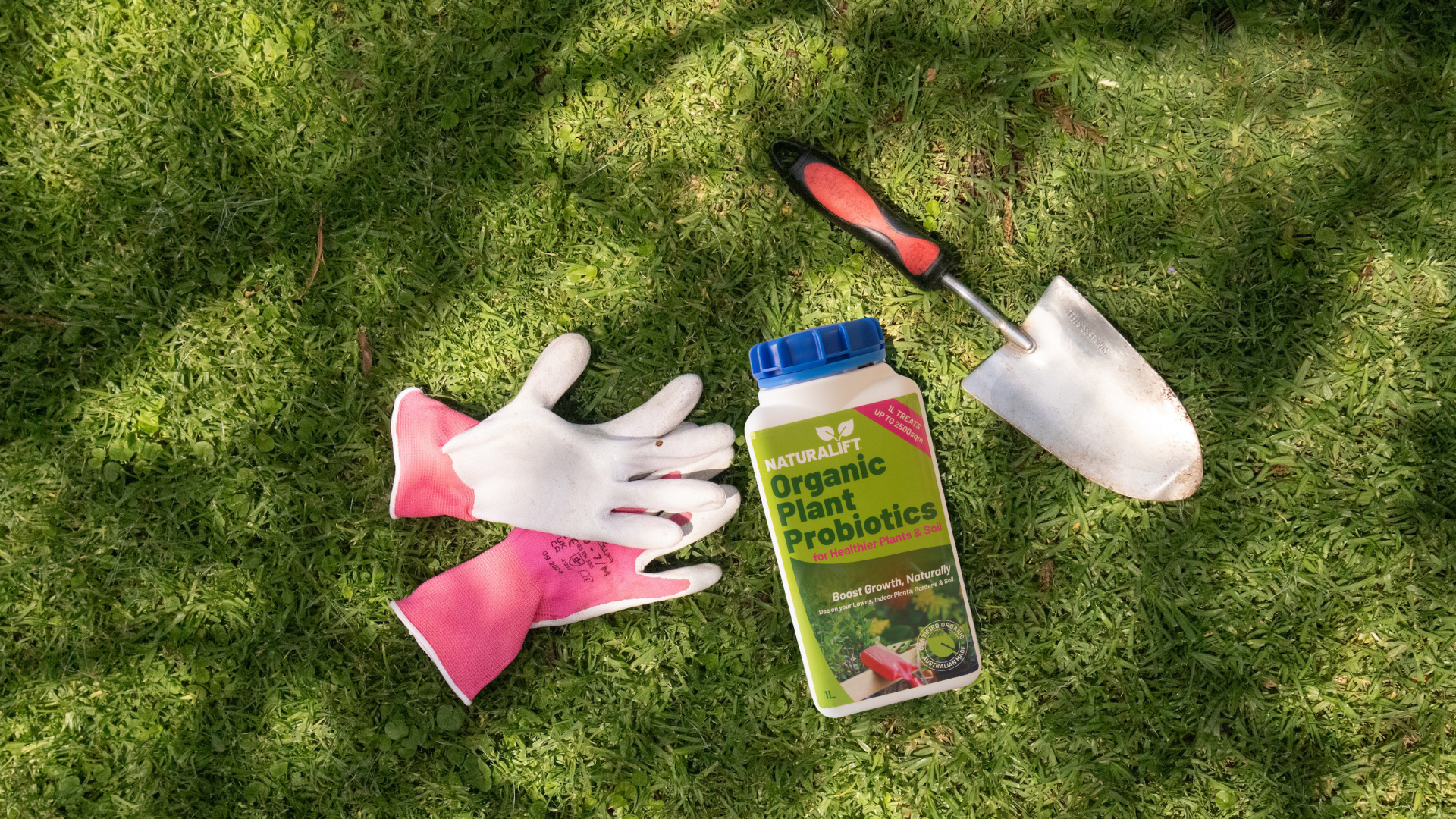
Naturalift – Terragen’s new organic plant probiotic range, designed for every Australian garden.
As Terragen’s first consumer garden product, Naturalift brings our agricultural-grade microbial innovation into homes, lawns, patios, balconies, and backyard veggie patches across the country.
Why Naturalift? The Pathway From Paddock to Backyard
Terragen’s foundation has always been simple: help living systems function better by improving the microbiology beneath the surface. After years of delivering measurable results in commercial agriculture, the demand for a home-garden solution became impossible to ignore.
According to Graham Page, Terragen’s Business Development Lead for Plant Biostimulants, the move into the gardening space was a natural evolution:
“Home gardeners want the same thing as farmers — stronger plants, healthier soil, and long-term results without relying on harsh chemicals. Naturalift uses the same science we’ve applied on farms for years, but formulated specifically for lawns, indoor plants and garden beds.”
The rise of regenerative gardening, water-smart landscaping, and chemical-free plant care has created a clear gap for an organic, biologically-active probiotic — one with real research, real testing, and a real agricultural backbone. Naturalift fills that gap.
From Proven Agriculture to Home Gardens: The Science Behind It
Naturalift is built on the same microbial technology that underpins GLP — a product trusted by producers for its consistent performance across vegetables, cotton, grains, turf and horticulture. Terragen’s work with crop trials throughout Australia, and its ongoing farm research, laid the foundation for developing a safe, simple, and effective version for home use.
Terragen COO, Joss West, explains “we’ve always believed that healthy soil drives stronger, more productive plants. Naturalift takes our proven microbial strains and
adapts them for the gardener who wants results they can see — greener lawns, stronger root systems and more vibrant growth.”
“This launch supports Terragen’s long-term mission to make microbial innovation accessible to everyone, not just farmers. Naturalift opens a completely new channel, but it’s built from the same commitment to science, testing, and quality that the agricultural sector expects from us.”
How Naturalift Works
Naturalift introduces living, beneficial bacteria into your soil to:
- Increase nutrient availability
- Improve soil structure and microbial diversity
- Strengthen plant resilience
- Support consistent growth and long-term soil health
- Reduce reliance on synthetic fertilisers
The result? Healthier soil that can naturally support healthier plants — indoors, outdoors, and everywhere in between.
Formulated for all plants, all soils, all seasons, the product is versatile enough for:
- Lawns
- Vegetable gardens
- Flower beds
- Potted plants
- Balcony gardens
- Raised beds
- Native gardens
- Citrus, fruit & ornamentals
Whether you’re a seasoned gardener or a self-confessed plant parent, Naturalift is designed to fit seamlessly into your everyday routine.
A New Chapter for Terragen
With the launch of Naturalift, Terragen is expanding its impact from food production to home environments. It’s an exciting moment for our team, our research partners, and the customers who have championed Terragen’s technology since day one.
“We’re taking everything we’ve learned from working on farms — the testing, the science, the long-term results — and making it accessible to Aussie households. That’s something we’re really proud of” Graham adds.
Join the Naturalift Journey
Naturalift is now available online, with nationwide shipping and a growing community of gardeners already embracing the difference that living biology makes.
Learn more or order online: www.naturalift.com.au
Follow along on Facebook & Instagram: @naturaliftplantprobiotic
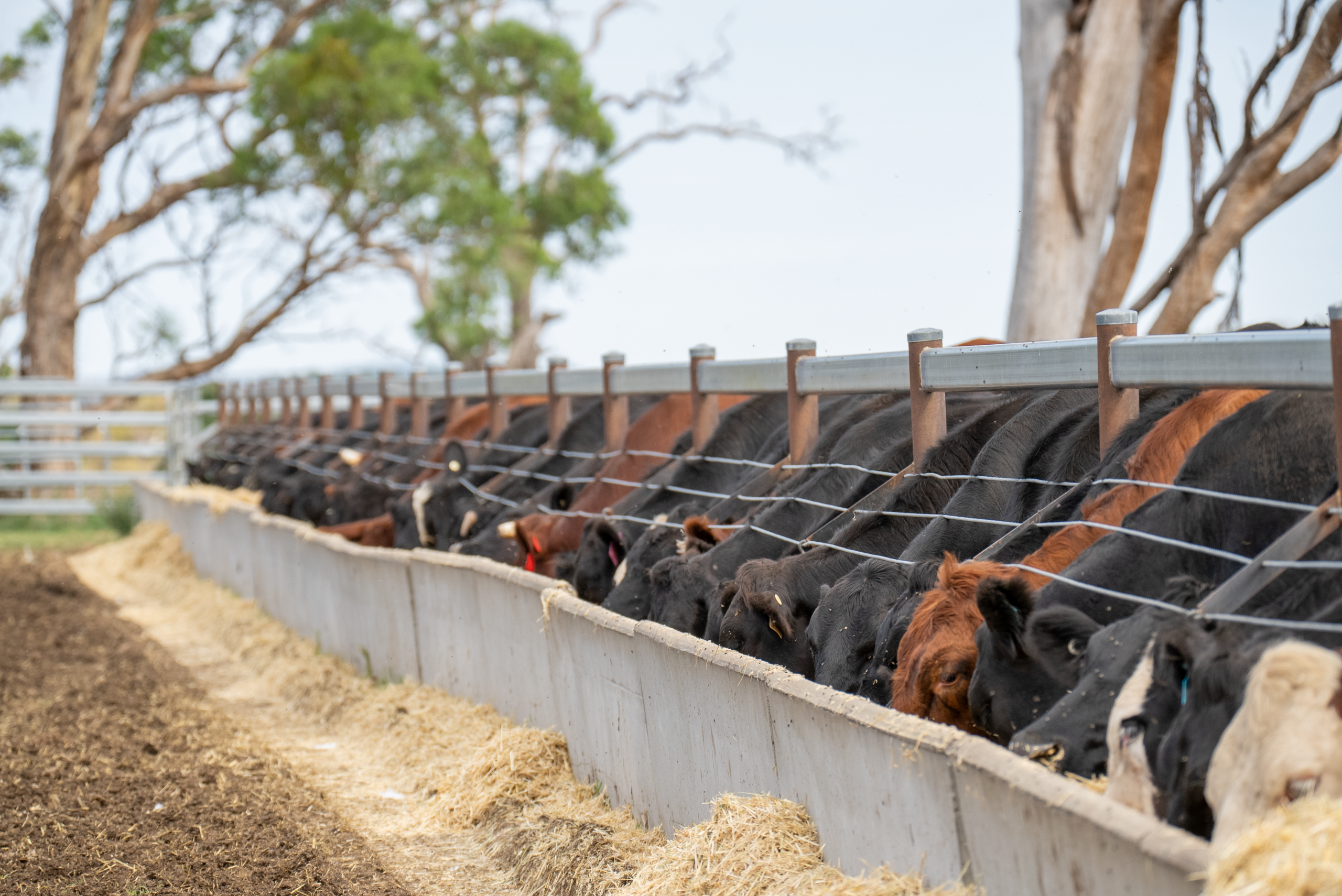
WA Beef Producer Feedlot Trial: Probiotic for Ruminants Performance Case Study
As Australian beef producers continue to search for ways to improve feedlot performance, average daily gain, and animal health without increasing feed costs, on-farm trials remain one of the most reliable decision-making tools.
A recent client-led feedlot trial conducted by a leading Western Australian beef producer evaluated the real-world impact of Terragen’s Probiotic for Ruminants when included in a standard feedlot ration.
Unlike controlled research studies, this trial was designed to reflect commercial feedlot conditions, providing practical insights for producers considering rumen probiotics to improve cattle performance, health, and efficiency.
Trial Objective: Measuring Feedlot Performance and Animal Health
The objective of the WA feedlot trial was to assess the impact of Probiotic for Ruminants on key commercial performance indicators, including:
- Average daily weight gain (ADG / OADG)
- Animal health and sick treatment rates
- Drafting timelines and days on feed
- Final liveweight outcomes
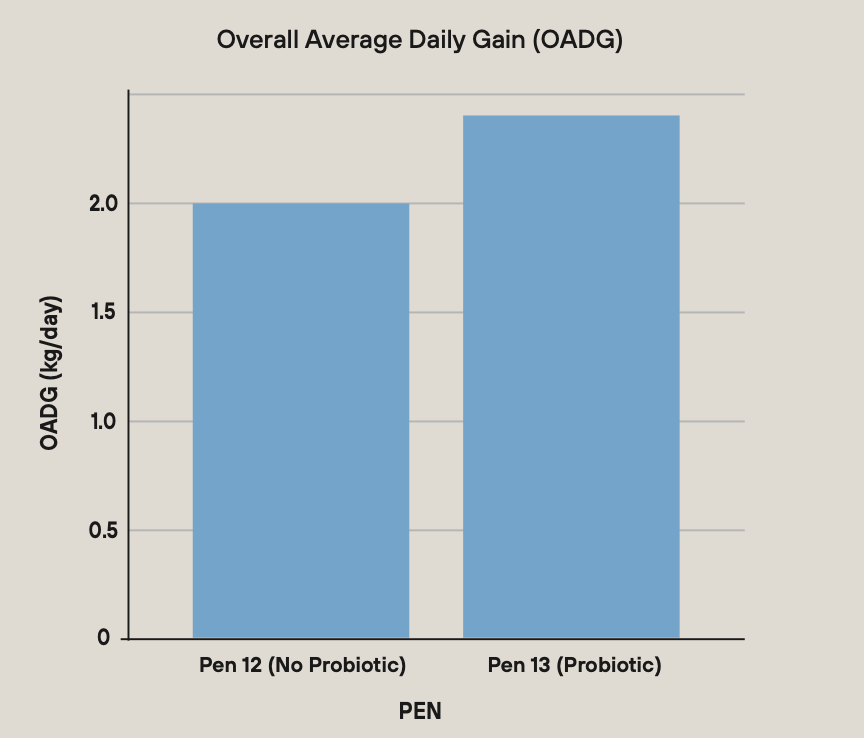
Two feedlot pens were monitored side-by-side, with one pen receiving Terragen’s probiotic supplement and the other continuing on a standard feedlot feeding program without probiotics.
Key Feedlot Trial Results
Improved Average Daily Gain
Cattle receiving Terragen’s Probiotic for Ruminants achieved an overall average daily gain (OADG) of 2.368 kg/day, compared to 2.017 kg/day in the non-supplemented pen — a 17.4% improvement, equating to an additional 351 grams per head per day.
Reduced Sick Treatments
The probiotic group recorded 5 sick treatments, compared to 13 treatments in the control pen, indicating improved animal health and resilience during the feeding period.
Earlier Drafting
Cattle supplemented with the probiotic were drafted at 26 days, compared to 28–33 days for cattle not receiving the probiotic.
Higher Final Liveweights
Maximum liveweights reached 558 kg in the probiotic group, compared to 522 kg in the control group.
Together, these results translated into greater feedlot efficiency, reduced labour and health management requirements, and improved production outcomes.
What These Results Mean for Commercial Feedlots
Beyond the trial data, the results highlight several practical benefits for beef feedlot operations:
- Faster and more consistent weight gain supporting earlier turn-off
- Fewer health interventions reducing veterinary and labour costs
- Improved animal resilience contributing to smoother feedlot management
As the producer involved in the trial noted:
“We were impressed by the difference. The probiotic group not only gained weight faster but stayed healthier, which meant less time and cost managing sick animals. Drafting earlier was a bonus — it’s clear this product adds value.”
To learn more about Terragen Probiotic For Ruminants or where to purchase, contact one of our team here.

Healthy soil isn’t just an environment goal – it’s a business strategy
The Hidden Workforce Beneath Our Feet
Soil is not just dirt; it’s a dynamic ecosystem. Billions of microorganisms—bacteria, fungi, protozoa—work together to cycle nutrients, build soil structure, and protect plants from disease. These microbes:
- Break down organic matter, releasing essential nutrients like nitrogen and phosphorus.
- Improve soil aggregation, enhancing water infiltration and reducing erosion.
- Form symbiotic relationships with roots, increasing nutrient uptake and plant resilience.
- When these functions thrive, crops grow stronger, inputs like synthetic fertilizers and pesticides decrease, and the farm becomes more resilient to climate extremes.
Ecosystem Function and Financial Stability
Supporting positive ecosystem functions isn’t just good for the environment—it’s good for business. Healthy soils reduce dependency on costly inputs, improve water efficiency, and stabilise yields over time. This translates into:
- Lowering input costs through natural nutrient cycling.
- Higher productivity from improved root health and soil structure.
- Risk mitigation against droughts and floods thanks to better water retention.
- In short, investing in soil biology is an investment in profitability.
Farming Practices That Support Soil Life
To unlock these benefits, farmers can adopt practices that nurture microbial diversity and soil health:
- Cover Cropping: Protects soil, adds organic matter, and feeds microbes.
- Reduced Tillage: Preserves soil structure and microbial habitats.
- Organic Amendments: Compost and bio-stimulants boost microbial activity.
- Crop Rotation: Breaks pest cycles and diversifies root exudates for microbes.
The Future of Agriculture
As global markets demand sustainability and climate pressures mount, farms that prioritise soil health will lead the way. By viewing soil as a living ecosystem rather than a static resource, we create a system that is productive, resilient, and financially sound.
- Healthy soil isn’t just an environmental goal—it’s a business strategy.
Great Land Plus® Tank-Mix Compatibility: What Growers Need to Know
Tank-mixing inputs is a standard practice across Australian farming systems — delivering efficiency, flexibility and cost savings. However, when biological products are involved, understanding compatibility and timing is critical to achieving the desired outcome.
New laboratory research has assessed the compatibility of Great Land Plus® (GLP) when tank-mixed with Roundup Ready® Herbicide with Plant Shield®, providing growers and agronomists with clear, evidence-based guidance for use in real-world spray programs.
Why Compatibility Matters
Unlike conventional chemistry, biological products contain living microorganisms that can be affected by water quality, tank-mix partners and the length of time a spray solution is held before application.
As Graham Page, Lead for Plant Biostimulants at Terragen explains: “Biologicals can absolutely be used alongside herbicides — but they need to be handled with intent. Time, order of mixing and spray discipline all play a role in protecting microbial viability.”
What Was Tested
The study examined GLP performance when:
- Tank-mixed with Roundup Ready® with Plant Shield® at label rates
- Microbial viability was measured at 0, 2, 6 and 24 hours after mixing
- GLP alone was assessed as a baseline comparison
The goal was to understand how long GLP remains viable once mixed and what practical limitations exist for growers.
Key Findings
Short-term compatibility confirmed
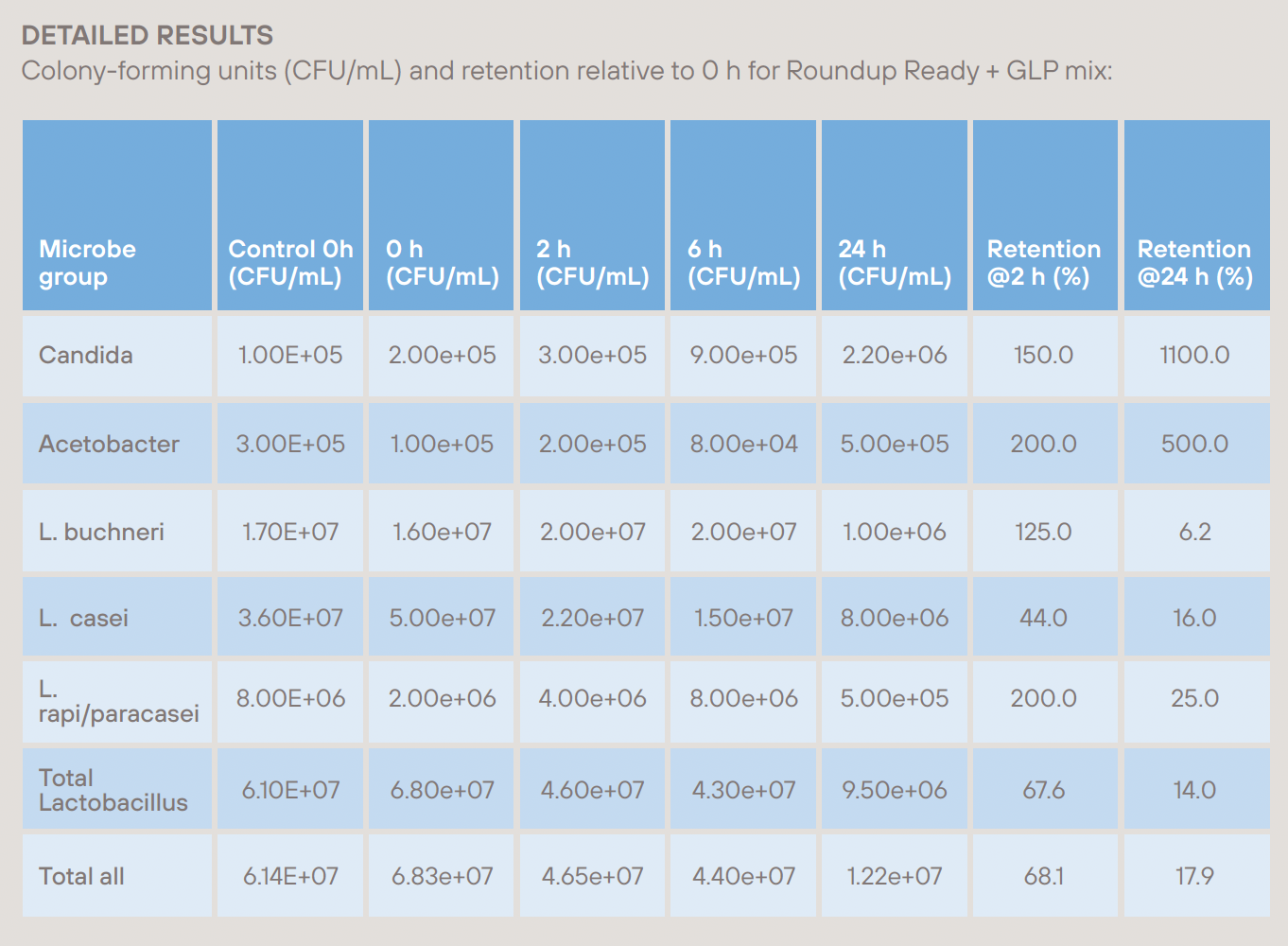
When mixed and applied within 2–6 hours, GLP retained approximately 64–68% of total viable counts, supporting its use in same-day spray programs.
Overnight holding reduces viability
After 24 hours, total viable counts dropped to around 18%, driven largely by declines in Lactobacillus species. Holding tank mixes overnight is not recommended.
Microbial balance shifts over time
As Lactobacillus populations declined, other microbes such as yeasts and Acetobacter increased — reinforcing that outcomes dependent on specific microbial groups require timely application.
“This research confirms that GLP performs well in a mixed system when it’s sprayed within a practical working window. Once you push beyond that window, particularly overnight, you’re compromising the biology you’re applying,” Graham added.
Best Practice Recommendations
Based on the findings, Terragen recommends:
- Mix and spray within 2–6 hours
- Avoid holding tank mixes overnight
- Add GLP last after water, conditioners and herbicide
- Maintain gentle agitation and avoid foaming
- Use clean, low-chlorine water and avoid extreme pH or high salinity
- Where logistics require longer runs, mix smaller batches
“These are simple, practical steps that fit easily into most spray programs, protecting performance without adding complexity,” says Graham.
What This Means in the Field
This research provides confidence that GLP can be integrated into herbicide programs when applied with good spray management. By following best-practice mixing and same-day application, growers can maintain microbial viability while improving operational efficiency.
As always, follow label directions and Terragen guidance when tank-mixing biological products. To learn more about Great Land Plus or where to purchase, contact one of our team here.
Trial Results Confirm Strong Results for Great Land Plus®
Terragen’s ongoing research and development program has delivered exciting results from recent trials across a range of crops, confirming the effectiveness of Great Land Plus® (GLP) in improving plant growth, nutrient efficiency, and crop performance.
Trial Results Across Multiple Crops
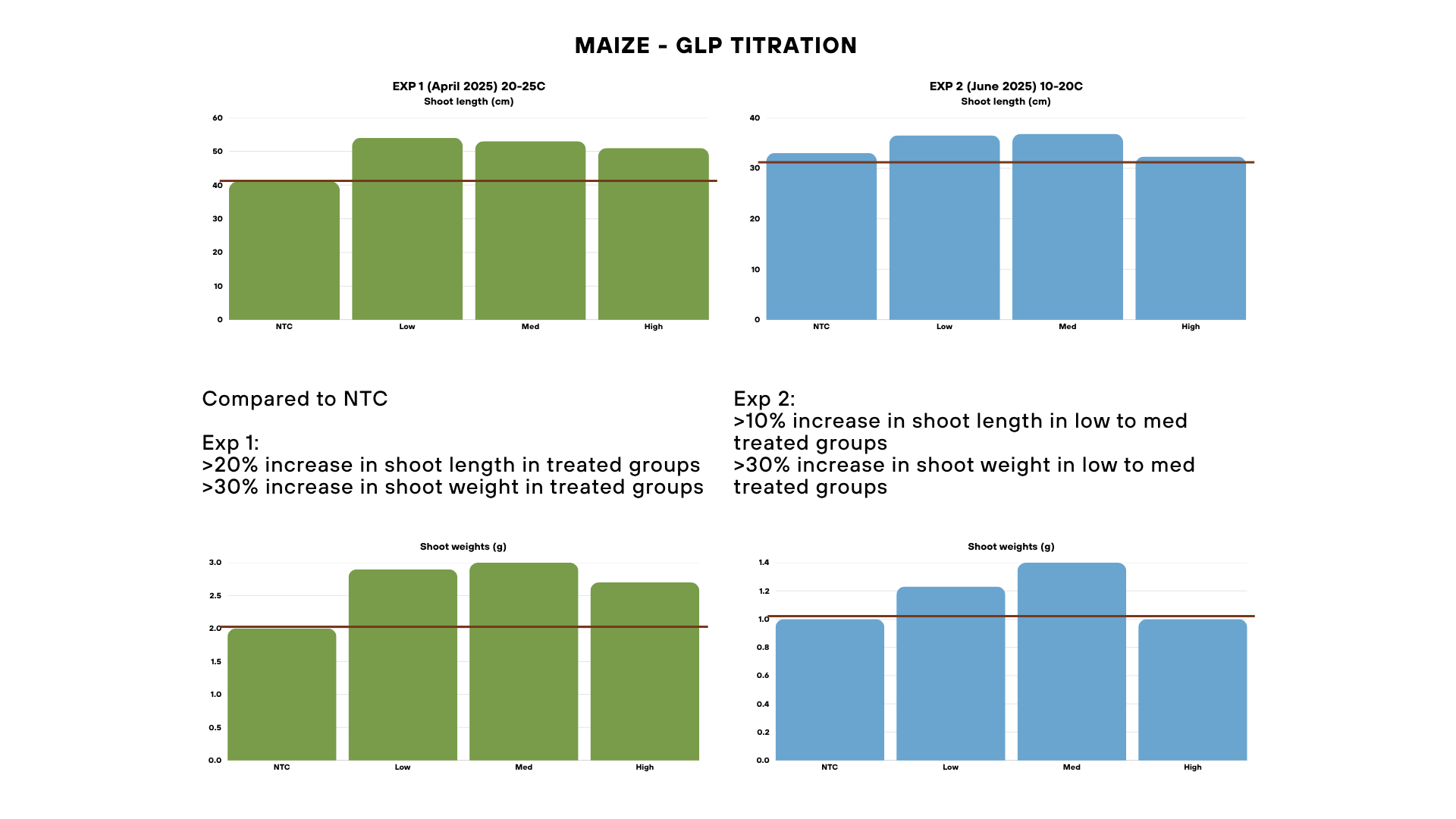
Trials conducted on maize, tomato, ryegrass, canola, and lentils have demonstrated significant benefits for both plant growth and sustainability outcomes.
-
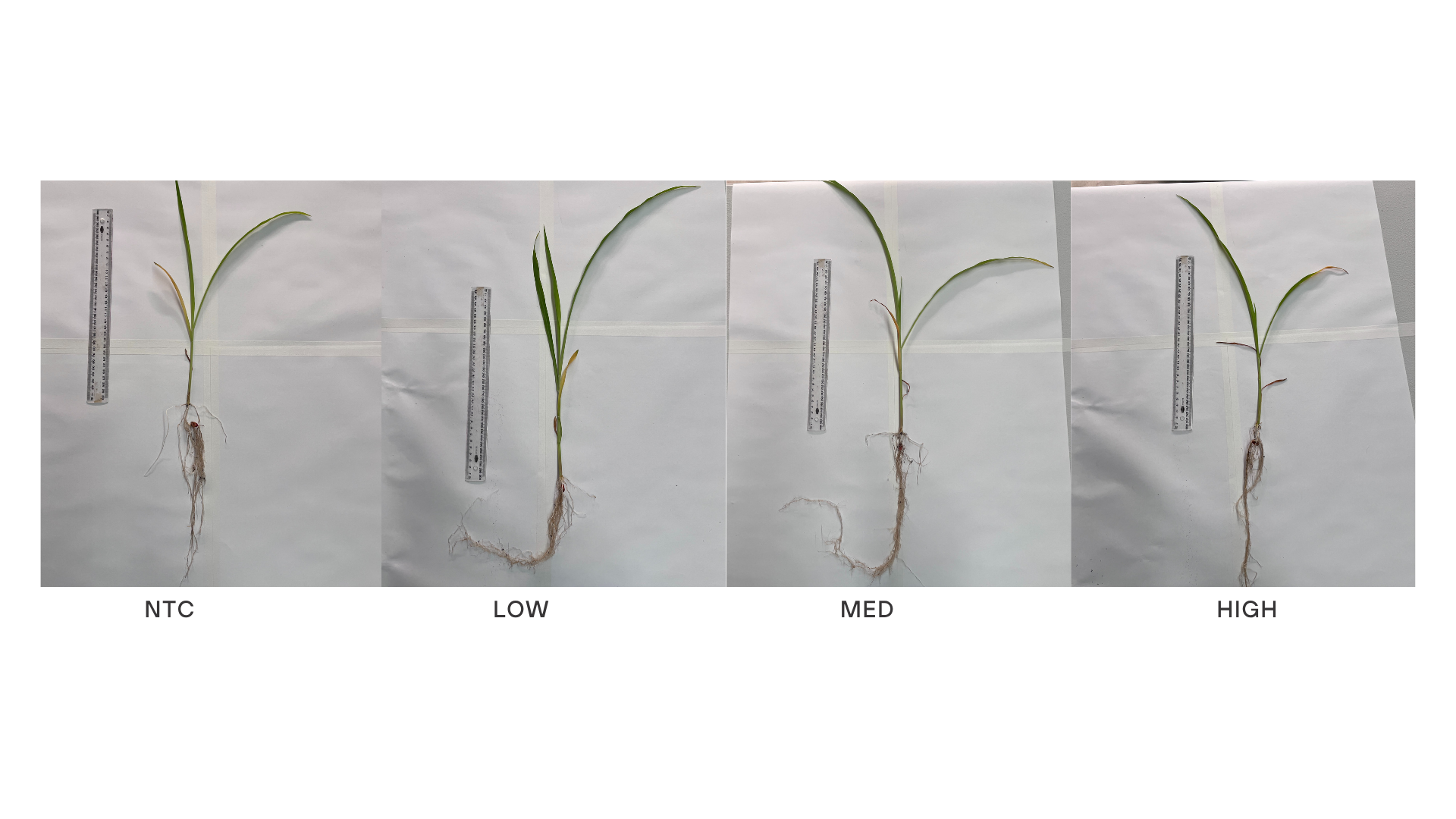
Maize Trials (QLD & NSW) – Up to 30% increase in shoot weight and 35% increase in root weight, with medium and low doses proving most effective.
-
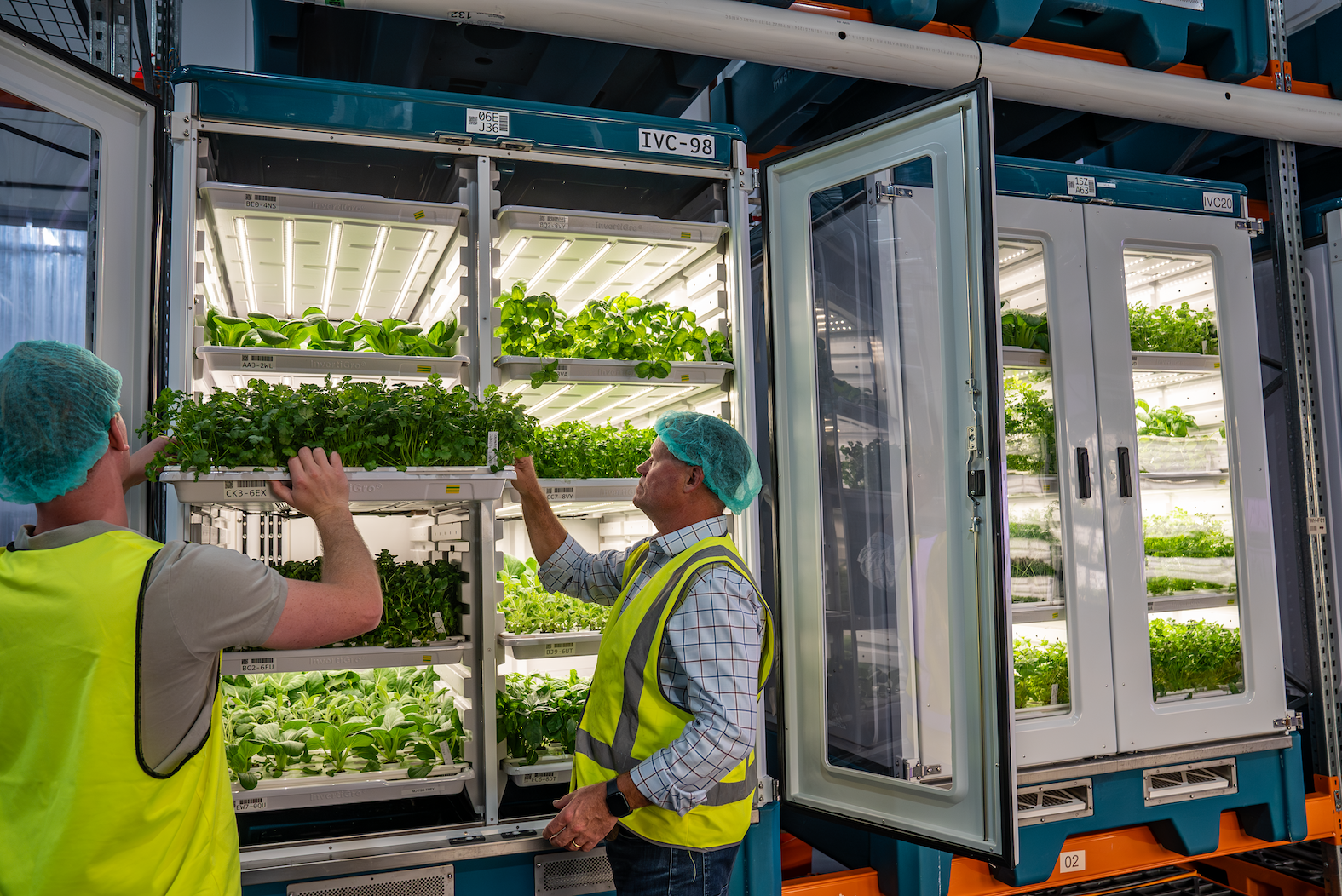
Tomato Trials (Laboratory & Soil) – Growth benefits observed in both sterile agar and soil trials, confirming GLP works directly on plants as well as in the soil.
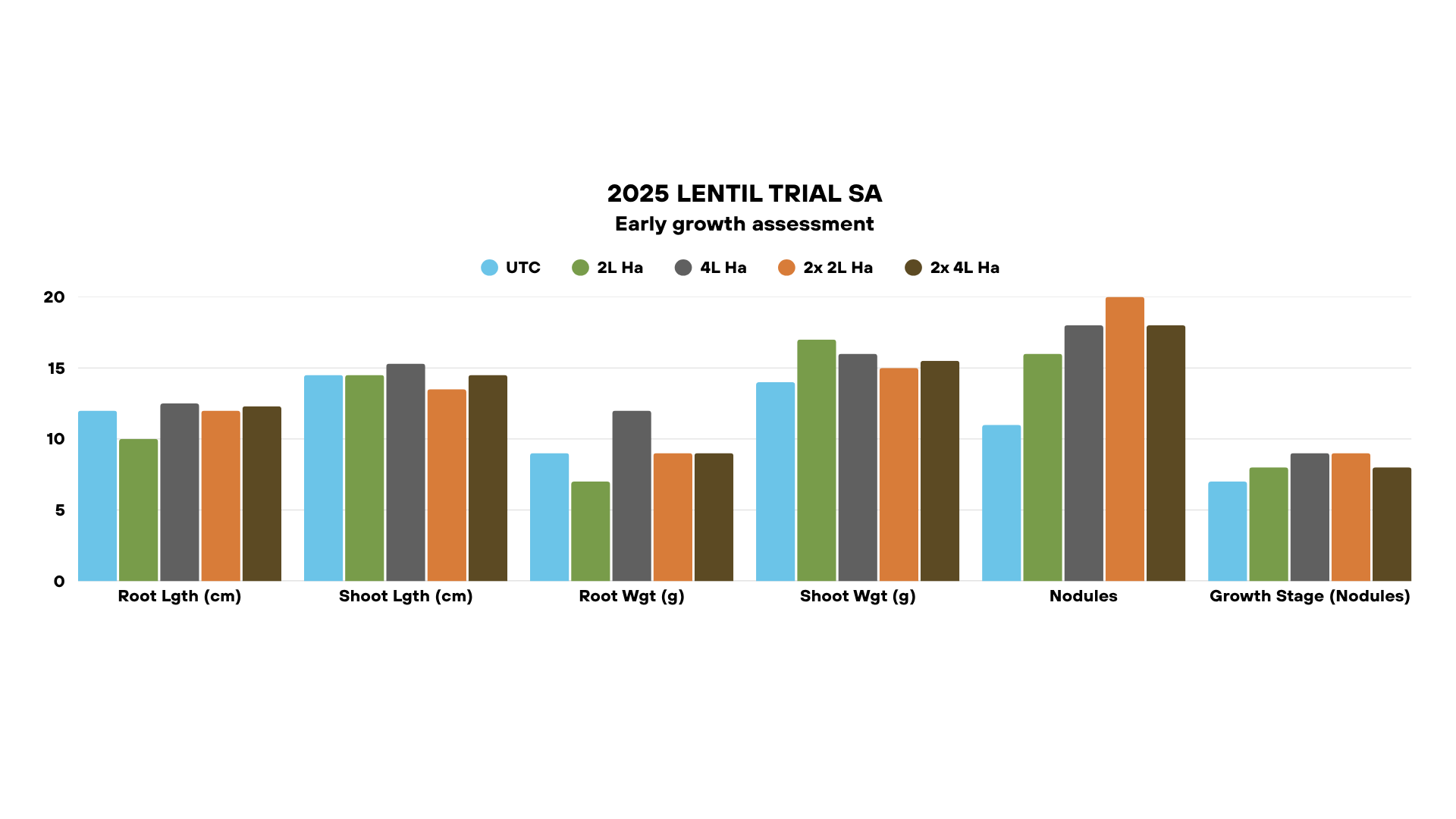
- Lentil Trial (South Australia) – Conducted in partnership with Elders Rural Services, this opportunistic trial on a late-sown lentil crop confirmed GLP’s role in supporting crop establishment and vigour. Applications showed positive trends in root development and yield potential, even under challenging seasonal conditions.
-
Optimal Dosing – Medium concentrations consistently delivered the best results, with no added benefit from higher applications.
Application Method Insights
Preliminary findings suggest that GLP application via soil, leaf, or media surfaces all show promise. Further trials will compare foliar, soil, and seed coating applications to determine the most effective methods for different farming systems.
Why This Matters
These findings demonstrate Terragen’s ability to:
-
Validate product performance through rigorous, in-house research
-
Optimise application strategies for growers
-
Deliver cost-effective biostimulant solutions without compromising results
As Elodie Buisset, Terragen’s Research Scientist, explains:
“This work reflects our commitment to scientific integrity, agronomic relevance, and delivering real value to growers.”
Looking Ahead
Terragen’s research continues to highlight the power of biologicals in reducing fertiliser dependency while maintaining yield and crop quality. With summer cropping programs on the horizon, these results provide confidence that Great Land Plus can play a key role in sustainable nutrient management strategies.